
Do You Really Need to Floss Every Day?
Last reviewed
Discover What the Science Says About Daily Flossing—And How Often Your Teeth Really Need It
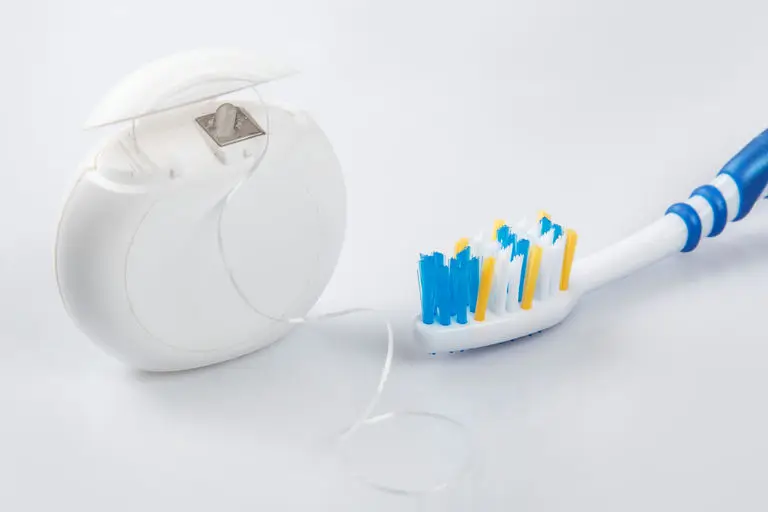
Brushing cleans the surfaces of your teeth, but it misses the gaps between them — and that's where flossing comes in. Yes, daily flossing is worth it: it removes plaque and food from between the teeth and under the gumline, where a brush can't reach. Here's why, and how to do it well.
Why flossing matters
- Prevents gum disease. Flossing removes the plaque that causes gingivitis, the early stage of gum disease. See gum disease: facts you should know.
- Reduces cavities. Food and plaque trapped between teeth cause decay; flossing clears those hard-to-reach spots.
- Freshens breath. Removing trapped food and bacteria helps keep breath fresh.
- Supports overall health. Gum health is linked to your general health — see how oral health affects your body.
How often, and how
Floss once a day. If you're new to it, your gums may bleed a little at first; this usually settles within a week or two as they get healthier. If bleeding persists, get it checked.
- Be gentle. Don't snap the floss — guide it gently between the teeth.
- Use enough. About 45cm, so you have a clean section for each tooth.
- Curve around each tooth. Form a C-shape and clean just below the gumline.
If you don't like floss
Water flossers and interdental brushes are effective alternatives — a water flosser uses a stream of water, while interdental brushes fit into the gaps. Either is more effective than skipping between-teeth cleaning altogether.
Not sure of your technique? Ask at your next check-up and cleaning and we'll show you.