Implant vs Bridge vs Denture: How to Replace a Missing Tooth

Medically reviewed by Dr Matthew Sng , Clinical Director
Explore the Pros and Cons of Implants, Bridges, and Dentures to Find the Right Tooth Replacement for You
There are three common ways to replace a missing tooth — a dental implant, a bridge, or a denture. Each suits different situations.
Dental implant — a titanium post placed in the jawbone, topped with a crown. It replaces a single tooth without affecting the neighbouring teeth, and tends to last many years. It needs enough healthy bone and a healing period of a few months, and carries a higher upfront cost.
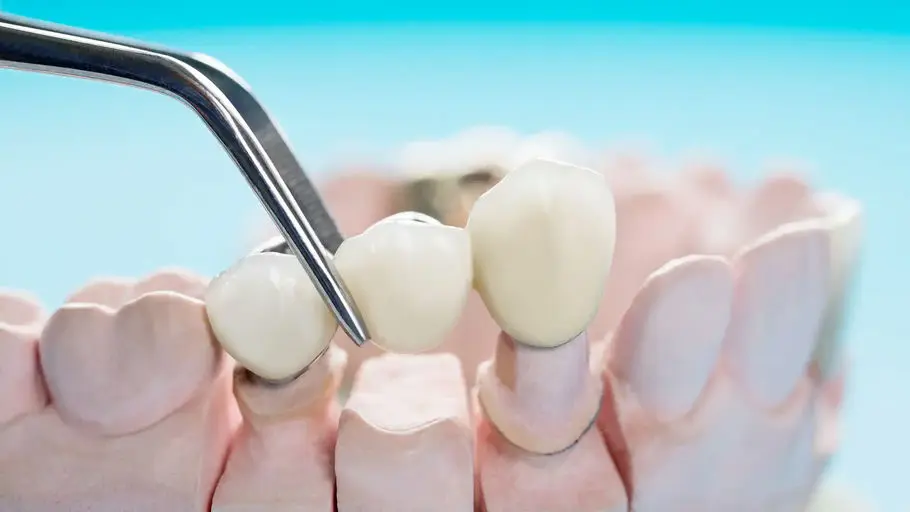
Bridge — a false tooth held in place by crowns on the two adjacent teeth. It's fixed (non-removable) and quicker than an implant, with no surgery. The trade-off is that the neighbouring teeth are trimmed to hold the crowns, and they carry the chewing load.
Denture — a removable appliance that replaces one, several, or a full arch of teeth. It has the lowest upfront cost and needs no surgery, which suits many situations. It's removed for cleaning and can feel less stable than a fixed option, and may need adjusting over time.
How to choose: it depends on how many teeth are missing, the health of your bone and gums, your budget, and whether you prefer something fixed or removable. A consultation and an X-ray help decide. MediSave may apply to surgical implant placement and certain oral surgery, and CHAS subsidies may apply for eligible patients.