
When to Replace a Dental Crown: 5 Signs

Last reviewed
Know the Warning Signs: How to Tell It’s Time to Replace Your Dental Crown
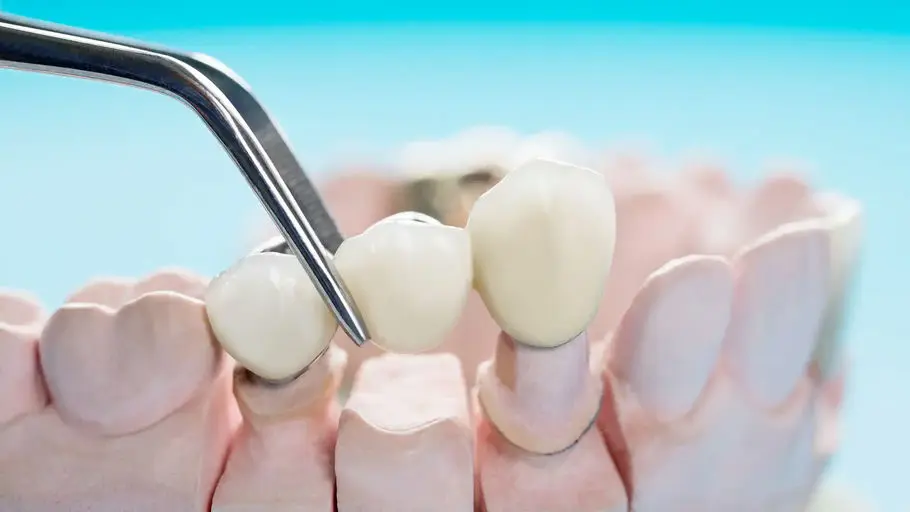
A well-made dental crown can last ten years or more, but it won't last forever. Knowing the warning signs helps you replace a failing crown before it leads to decay, infection, or tooth loss. Here are five signs it may be time.
1. Pain or swelling
A crown should feel like a natural extension of your tooth. Pain when biting down, swelling around the gum, or new sensitivity can signal a problem underneath — such as decay or infection — and is worth getting checked.
2. A receding gum line
Good brushing habits and mouthwash help prevent gum disease, but aggressive brushing or gum recession can expose the edge of a crown. If your gum line is receding around a crowned tooth, the crown may need attention.
3. Visible wear and tear
After years of chewing — especially if you grind or clench — a crown can crack or wear, creating gaps where bacteria collect and decay starts. A worn crown should be replaced to keep the tooth beneath it protected.
4. The crown feels loose
A crown can loosen from grinding, sticky foods, or decay at the margin. Sometimes it can be re-cemented; often it needs replacing. Either way, a loose crown should be seen promptly, as bacteria can get underneath.
5. It no longer matches
Crowns don't change colour the way natural teeth do, so over time a crown can look different from the teeth around it — particularly after whitening. If a crown is stained or no longer blends in, it can be replaced for a closer match.
What to do
Schedule a check if you notice any of these signs, and keep up with check-ups and cleaning twice a year — it helps your crowns last longer and lets the dentist catch problems early.
Patients aged 60 and above can use Flexi-MediSave (up to $400/year) towards crowns on permanent teeth, and CHAS subsidies may also apply. Book a crowns and bridges review if your crown is due a look.