
Root Canal Treatment: What to Expect

Medically reviewed by Dr Matthew Sng , Clinical Director
Last reviewed
Learn the Step-by-Step Process, Recovery Timeline, and How We Keep You Comfortable During Your Root Canal
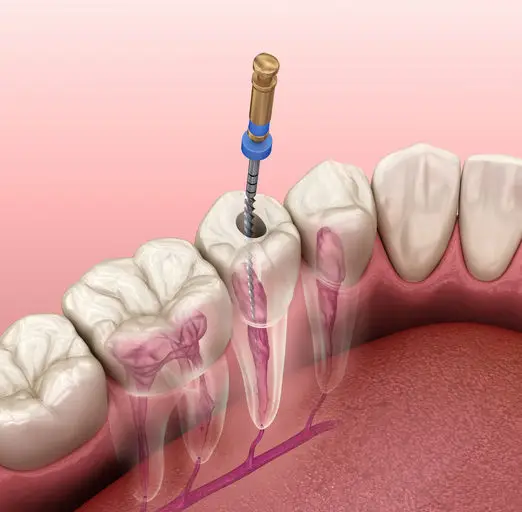
A root canal saves a tooth whose inner pulp — the nerve and blood supply — has become infected or inflamed, instead of removing it. The infected pulp is taken out, the inside of the tooth is cleaned and sealed, and the tooth is usually protected with a crown. Here's what to expect.
When a root canal is needed
A tooth needs a root canal when the pulp is infected or inflamed — often from deep decay, a crack, or repeated dental work. Common signs include lingering sensitivity to hot or cold, pain on biting, a deep toothache, or a pimple-like bump on the gum. See the full list in signs you might need a root canal.
What happens during treatment
- Numbing — the area is numbed with local anaesthetic, so the procedure feels much like having a filling.
- Removing the infection — the dentist opens the tooth, removes the infected pulp, and cleans the canals.
- Sealing — the cleaned canals are filled and sealed to prevent re-infection.
- Restoring — the tooth is built back up, usually with a crown, because a treated tooth can become brittle. Treatment usually takes one or two visits.
Is it painful?
Root canal treatment is done under local anaesthesia, so most people feel little more than pressure during the procedure — similar to a filling. A topical gel numbs the gum first, followed by a small injection to numb the tooth fully. Any tenderness afterwards usually settles within a few days and is managed with simple pain relief. Treated and restored properly, a root-canalled tooth has a high long-term success rate.
Why save the tooth?
Keeping your natural tooth maintains your bite, stops neighbouring teeth from drifting, and avoids the bone loss that follows an extraction. Where a tooth can be saved, that's usually preferable to removing it — see root canal vs extraction.
Cost and MediSave
Patients aged 60 and above can use Flexi-MediSave (up to $400/year) towards root canal treatment and crowns on permanent teeth, and CHAS subsidies may also apply. See using MediSave for your crown or root canal.
If you have a painful or sensitive tooth, book a root canal assessment — catching it early often means the tooth can be saved.