
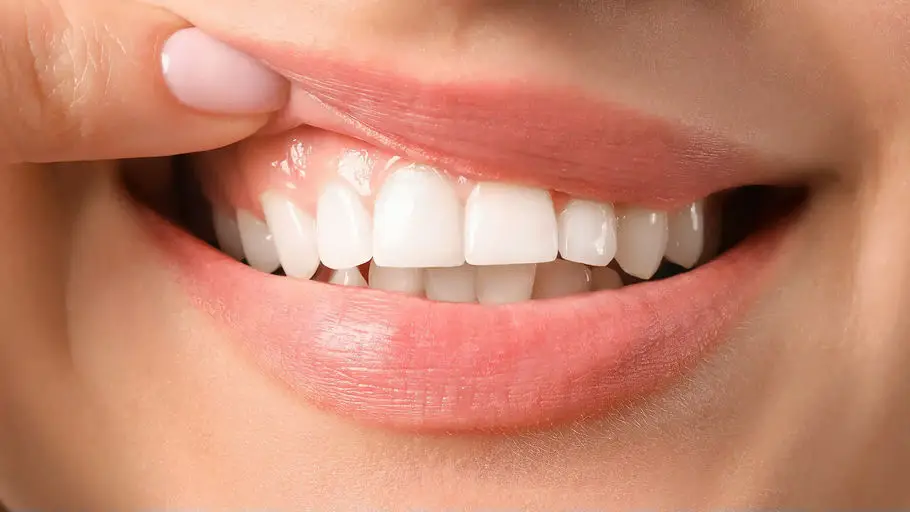
Gum Recontouring
Reshapes an uneven gum line or reduces gum coverage in a gummy smile, performed under local anaesthesia after assessing how gums, lips and teeth meet.
Gum (periodontal) treatment ranges from non-surgical deep cleaning to gum surgery, depending on the severity of the disease.
Root planing (deep cleaning) - $100 to $150 per tooth, or $200 to $350 per quadrant
Open flap debridement - $550 to $950
Crown lengthening - $850 to $1,500 per tooth
Root coverage (gum grafting) - $1,500 to $2,000
Prices exclude consultation and X-rays. Routine scaling and polishing is covered under Check-up & Cleaning.
Periodontal (gum) surgery is MediSave-claimable; the claimable amount depends on the procedure performed.
Prices are indicative and based on normal case complexity. A consultation is required for a definitive quote.
Gum Treatment Cost in Singapore (2026): full fee breakdown →
Periodontics offers a range of treatments that help prevent and treat diseases affecting the supporting structures of our teeth. Regular dental check-ups and good oral hygiene practices are crucial in preventing and managing periodontal issues such as gum disease and more.
This is the early stage of gum disease and is characterized by inflammation of the gums. Symptoms may include redness, swelling, and bleeding during brushing or flossing.
If gingivitis is left untreated, it can progress to periodontitis. This is a more severe form of gum disease that involves inflammation and infection of the supporting structures of the teeth, including the bone. It can lead to pocket formation between the teeth and gums, gum recession, and even tooth loss.
Receding gums expose the roots of the teeth, making them more susceptible to sensitivity and decay. Gum recession can be caused by periodontal disease, aggressive tooth brushing, or other factors.
This is a localized collection of pus within the gums or supporting structures of the teeth. It can be painful and may cause swelling.
This condition involves an overgrowth of gum tissue, leading to an enlarged appearance of the gums. It can be caused by certain medications, systemic diseases, or poor oral hygiene.
In advanced stages of periodontal disease, the bone supporting the teeth may be compromised, leading to tooth mobility. This can eventually result in tooth loss.
The accumulation of plaque and tartar on teeth can contribute to gum disease. Tartar (calculus) is a hardened form of dental plaque that can only be removed by a dental professional.
You may notice the following signs:
With severe periodontitis, plaque and calculus get trapped deep below the pockets between the roots’ surface and your gums. This can eventually cause gum disease and loss of bone structure if left untreated.
In open flap debridement surgery, the gums are pulled away from the teeth to expose the infected root surfaces. The root surfaces are then cleaned, smoothened, and disinfected. The gums are stitched back into their original position and allowed to heal.
Root planing is a non-surgical deep cleaning that involves thorough removal of plaque, bacterial toxins, and tartar deposits from your teeth and root surfaces. Local anaesthetic will be given to ensure a comfortable experience as the deepest parts of the pockets around your teeth are cleaned.
All rough areas on your roots’ surfaces are smoothened out to prevent debris from collecting there. Depending on the condition of your gums and teeth, more than one appointment may be required. After each session, your gums may feel sore and sensitive to hot and cold; this can be alleviated with products suitable for sensitive teeth.
Crown lengthening is a dental procedure designed to expose more of a tooth's structure by reshaping the gum and, if necessary, bone tissue surrounding it.
The procedure is typically performed by a periodontist or oral surgeon.
(Information not provided in the source text.)
Healthy gums begin with healthy habits at home. You can:
Sometimes, gum disease may not present with noticeable symptoms. During regular dental check-ups, your dentist will examine your gums thoroughly for any signs of gum disease. To ensure your gums are healthy, visit your nearest Advanced Dental clinic in Singapore for a check-up.
Strong teeth are built on strong gums. Periodontal disease infects the gums, causing inflammation, redness, swelling, and loss of bone around the surrounding teeth. There are several types of gum surgery, depending on the severity of your gum disease and the damage done.
Gums are separated from the teeth for a deep cleaning, then stitched back into place around the teeth. Bone reshaping is sometimes required during the surgery.
Excess and overgrown gum tissue is removed to improve aesthetics and to make it easier to keep the surface of the teeth clean.
Healthy gum tissue is reshaped for a more appealing aesthetic, sometimes in combination with a gum graft.
Tissue is taken from the roof of the mouth and stitched into place on either side of a tooth that is exposed due to receding gums. This helps even the gum line and reduces sensitivity.
Gum tissue is folded back and bacteria are removed. The surgeon inserts bone grafts, membranes, or tissue-stimulating proteins to help the gum tissues regenerate around the teeth.
Many people associate dental procedures with pain, which can cause them to avoid going to the dentist. At Advanced Dental, various anaesthetic options are available to provide a comfortable experience during treatment.
Healthy gums should be pink and firm. If you have gum disease, you may notice:
People with gum disease — bleeding, swollen or receding gums, persistent bad breath, or loose teeth — ranging from early gingivitis to advanced periodontitis with bone loss. The stage is assessed to plan the right level of treatment.
Non-surgical deep cleaning is usually done over one or more visits depending on the number of areas; gum surgery, where needed, is a separate appointment. Maintenance cleanings follow at regular intervals.
Gums may be tender and teeth sensitive for a few days after deep cleaning, easing with gentle brushing and simple pain relief. Gums often look and feel firmer as they heal over the following weeks.
As gums heal and shrink, some recession and sensitivity or longer-looking teeth can result. Gum disease is managed rather than cured, so ongoing cleaning and reviews are needed to keep it stable.
Good oral hygiene practices are crucial in preventing gum disease. This includes brushing your teeth twice a day, flossing daily, using mouthwash, and visiting your dentist regularly for check-ups and professional cleanings. Additionally, avoiding smoking and maintaining a healthy lifestyle contribute to gum health.
Crown lengthening may be necessary for several reasons, including improving the aesthetics of a smile, providing more tooth structure for the placement of dental restorations or crowns.
Yes, gum treatment is essential for improving and maintaining oral health. By effectively treating gum disease, it helps to eliminate infection, reduce inflammation, prevent tooth loss, and promote healthier gums and supporting structures.
While complications are rare, there may be a risk of infection, bleeding, or temporary tooth sensitivity. Dentists take precautions and provide postoperative care instructions to minimise these risks.
Not all cases of gum disease require surgery. In the early stages, non-surgical approaches such as scaling and root planing (deep cleaning) may be sufficient. However, advanced cases or those that do not respond to non-surgical treatment may require surgical intervention.
Root planing helps eliminate bacterial deposits, reduce inflammation, and promote the healing of the gum tissue. It can prevent the progression of gum disease and improve overall oral health.
Crown lengthening is typically done under local anesthesia, ensuring that the patient is comfortable and does not feel pain during the procedure. Some discomfort may be experienced during the recovery period.
The duration varies based on the extent of the treatment needed. It can take one or more sessions to complete root planing, with each session focusing on specific areas of the mouth.
Gum treatment is typically performed under local anesthesia to ensure a comfortable experience. Some mild discomfort or sensitivity may be experienced during or after the treatment, but this can be managed with over-the-counter pain medications or as advised by your dentist.
Dentists recommend open flap debridement when non-surgical methods, such as scaling and root planing, are insufficient to treat advanced periodontal disease. It is often indicated for pockets that are difficult to access with non-surgical techniques.
Gum disease is primarily caused by the buildup of plaque, a sticky film of bacteria that forms on the teeth and gums. Poor oral hygiene, smoking, certain medical conditions, hormonal changes, and genetic factors can contribute to gum disease.
Common signs of gum disease include red, swollen, or tender gums, bleeding gums (especially during brushing or flossing), persistent bad breath, receding gums, loose teeth, and changes in the bite. It's important to seek professional evaluation if you notice any of these symptoms.
While regular cleanings focus on the surfaces of the teeth above the gumline, root planing targets the tooth roots below the gumline. It is a more extensive cleaning procedure designed to address early stages of gum disease.
The procedure is typically done under local anesthesia to ensure patient comfort. Patients may experience some discomfort or sensitivity after the anesthesia wears off, but over-the-counter pain relievers can manage this.
Complications are rare, but there may be a risk of infection, bleeding, or temporary tooth sensitivity. Dentists take precautions and provide postoperative care instructions to minimize these risks.
It is common to have slight bleeding from the surgical site for 1-2 days after surgery. Replace the gauze on the bleeding area as needed every 30-45 minutes and bite on the gauze firmly. Keeping your head elevated with pillows can also help to control bleeding. However, if bleeding continues or increases, please call our clinic immediately.
Yes, gum disease has been linked to various systemic health conditions, including heart disease, diabetes, respiratory infections, and pregnancy complications. Maintaining healthy gums is important not only for oral health but also for overall well-being.
Root coverage is necessary to address gum recession, which can result from factors such as periodontal disease, aggressive tooth brushing, or genetic predisposition. Exposed tooth roots can lead to sensitivity and compromise the aesthetics of a smile.
Recovery times vary depending on the specific procedure performed. Patients can typically resume normal activities within a few days to a week. Postoperative care instructions are provided to promote optimal healing.
The longevity of root coverage results can vary, but the effects are generally long-lasting. Proper oral hygiene practices and regular dental check-ups are essential for maintaining the results over time.
Yes, crown lengthening can be combined with other dental treatments, such as dental crowns, veneers, or even orthodontic procedures, to achieve comprehensive aesthetic and functional results
They overlap. Recontouring usually means reshaping gum tissue (often cosmetic); crown lengthening exposes additional tooth structure — sometimes including a little bone — to allow a filling or crown. Your dentist will advise which applies.
Common root coverage procedures include gum grafting, where tissue is taken from the patient's palate or another source and placed over the exposed roots, and newer techniques like the use of allograft materials or guided tissue regeneration.
Root coverage refers to dental procedures aimed at covering and protecting exposed tooth roots. This is commonly done to address issues like gum recession, improve aesthetics, and reduce tooth sensitivity.
The duration of gum treatment can vary depending on the severity of gum disease and the specific procedures involved. In some cases, treatment can be completed in a single dental visit, while others may require multiple appointments over several weeks or months.
Crown lengthening can be performed on any tooth if necessary for restorative purposes or to address specific dental issues. A detailed dental examination is necessary.
Yes, root coverage procedures are often performed to enhance the aesthetics of a smile by restoring a more even gumline and covering exposed tooth roots.
While gum disease cannot be completely cured, it can be effectively controlled and managed through professional treatment and proper oral hygiene practices. Early detection and intervention are crucial in preventing the progression of gum disease.
Depending on the severity of the gum disease and the number of areas requiring treatment, root planing may be completed in a single appointment or divided into multiple sessions for optimal care.
While root coverage procedures are effective for many individuals with gum recession, the suitability of the procedure depends on factors such as the extent of recession, overall oral health, and the individual's goals. A consultation with a dentist is necessary for proper evaluation.
Recovery times vary, but patients can usually resume normal activities within a few days. Postoperative care instructions provided by the dentist help promote optimal healing.
Scaling and polishing are essential components of gum disease treatment. They are effective at the early stage (gingivitis) and at removing the plaque and tartar buildup that drives the disease, which helps control and manage it. They cannot cure advanced gum disease, however — advanced cases may require additional periodontal treatment.
There is typically minimal downtime after root planing. Patients may experience mild discomfort and sensitivity for a short period, but they can usually resume normal activities immediately.
Before the procedure, you will be given an anaesthetic to ensure your comfort. This anaesthetic typically leaves your lips, teeth and tongue feeling numb after the appointment. For this reason, you should avoid chewing for 2 hours following the surgery, or until the numbness has completely worn off. In some cases, you may also experience numbness on one side of the face, and it will take about 3-4 hours to regain your muscles control. You may experience pain, swelling, or discomfort for several days, which can be treated with painkillers. You will also be given antibiotics to reduce any risk of infection. If symptoms of pain or discomfort persist or worsen, please contact the clinic immediately.
After your treatment, avoid hot liquids and foods. Soft food and cool liquids should be eaten on the day of surgery. You may return to a normal diet 24 hours after the procedure, but please avoid hard foods for a week as these could irritate the wound. Please also refrain from smoking as it will slow down the healing process.
We recommend that you avoid physical exertion for the first 2 days after your surgery, as your body will need rest in order for the surgical site to heal quickly and smoothly.
The effects of crown lengthening are generally permanent. Once the excess gum tissue and, if necessary, bone are removed, the new tooth exposure remains stable.
Crown lengthening is a surgical procedure that involves the removal of gum tissue and, in some cases, bone, to expose more of a tooth's structure. This is often done to address issues like a "gummy smile" or to facilitate restorative dental procedures like crowning.
The procedure involves making incisions in the gum tissue and, if needed, removing a portion of the underlying bone. This exposes more of the tooth, creating a longer crown.
Root planing is a non-surgical periodontal therapy aimed at treating gum disease. It involves the thorough cleaning of the tooth roots to remove plaque, tartar, and bacterial toxins from below the gumline.
Please refrain from smoking as it will slow down the healing process.
For severe gum diseases, open flap debridement is a surgical procedure to remove plaque and calculus buildup in deep gum recesses. The gum is folded away from the teeth to expose the root surfaces. If bone or gum tissue has been destroyed, bone or tissue grafts may also be recommended to promote growth.
Deep cleaning involves scaling and root planing. Scaling scrapes off plaque and calculus from the teeth's surfaces, and root planing cleans the root surface. More than one appointment may be required. Your gums may feel sore and sensitive afterward, which can be alleviated with products for sensitive teeth.
The procedure is performed under local anesthesia, so patients should not feel pain during the surgery. Some discomfort may be experienced during the recovery period, which can be managed with prescribed medications.
The frequency of open flap debridement depends on the severity of the gum disease and the individual's response to treatment. In some cases, a single procedure may be sufficient, while others may require additional treatments.
Gum treatment refers to the procedures and techniques used to treat gum disease or other gum-related conditions. It may involve deep cleaning (scaling and root planing), gum surgery, antibiotic therapy, or other interventions to restore gum health.
On the day of surgery, rinse gently with the antiseptic mouth rinse prescribed. You may brush your teeth normally but avoid the area that was treated.
Common side effects include mild discomfort, sensitivity, and temporary changes in taste. These effects are usually temporary and can be managed with proper postoperative care.
During open flap debridement, the dentist or periodontist lifts the gums away from the teeth to access the roots and clean the surfaces thoroughly. After cleaning, the gums are repositioned and sutured in place.
Dentists recommend root planing when patients have signs of gum disease, including periodontal pockets, inflammation, and bleeding gums. It is often part of the treatment for mild to moderate cases of periodontitis.
The frequency of root planing depends on the severity of the gum disease and the individual's response to treatment. Some patients may only need it once, while others may require more frequent maintenance.
Reshapes an uneven gum line or reduces gum coverage in a gummy smile, performed under local anaesthesia after assessing how gums, lips and teeth meet.
Understand the Hidden Risks, Symptoms, and Treatment Options to Protect Your Smile