Bone Grafts for Dental Implants Explained

Medically reviewed by Dr Matthew Sng , Clinical Director
Last reviewed
Understand when bone grafting is recommended, how it strengthens your jaw, and why it’s often the key to long‑lasting dental implants.
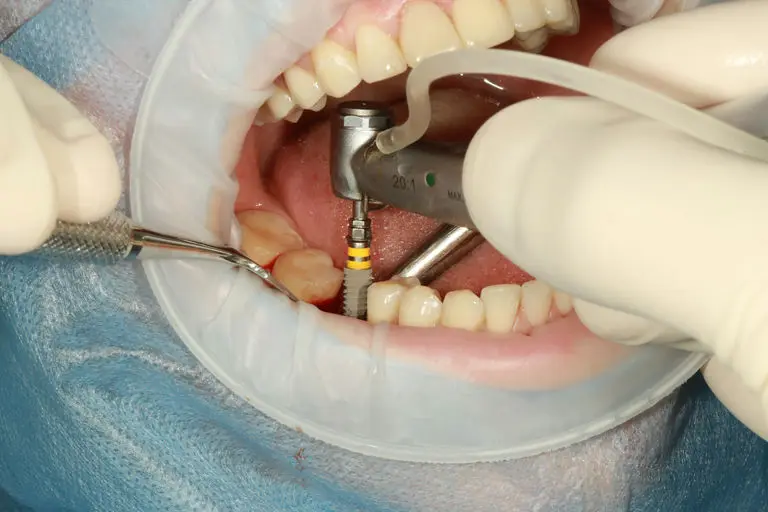
A bone graft rebuilds jawbone that has thinned where a tooth is missing, creating a stable foundation for a dental implant. If you've been told you need one before an implant, here's what's actually happening — and why skipping it would work against you.
Why bone loss happens
When a tooth is lost, the jawbone beneath it loses the daily stimulation it relied on from chewing. Without that stimulus, the body gradually reabsorbs the bone, thinning it over months and years. This happens silently, without pain, which is why many patients are surprised to hear about it at a consultation.
The longer a tooth has been missing, the more bone volume is typically lost — so patients who delayed replacement, whether for cost, time, or simply not knowing, often need a graft before an implant can be placed.
The building analogy
Before a building goes up, engineers check the ground. Soft or shallow soil can't support a heavy structure, so builders bring in fresh earth and compact it into a stable base first.
Your jawbone is the soil; your implant is the foundation. A bone graft adds material to the deficient area, creating a scaffold that your own cells grow into over the following months, leaving a denser, more stable base.
Types of graft material
Depending on your situation, your surgeon will recommend one of the following:
- Allograft (human donor bone): sourced from regulated tissue banks and processed under strict sterilisation protocols, it provides a framework for your own bone cells to grow into.
- Xenograft (bovine-derived bone mineral): the purified mineral matrix of bovine bone, with organic components removed. It holds volume well and integrates reliably with your natural bone.
- Autogenous block graft (your own bone): for significant bone loss, a small block may be taken from the back of your lower jaw and secured to the deficient area — a more involved option used for complex cases.
What to expect
Bone grafting is performed under local anaesthesia, with sedation available if you'd prefer a more relaxed experience. Discomfort afterwards is usually manageable with prescribed medication, and most patients return to normal activity within a few days.
Healing — the period during which your bone regenerates around the graft — generally takes three to six months before implant placement. It feels like a long wait, but rushing this stage is one of the main reasons implants fail.
Is it worth it?
A dental implant, placed and maintained well, can last decades. A bone graft makes sure the foundation holding it is solid enough to justify that investment, and significantly reduces the risk of implant failure later.
MediSave
Cost is an important consideration. Singaporeans and PRs may be able to use MediSave to help offset certain bone grafting procedures; your surgeon can advise you at your consultation.
If you've been told you may need a bone graft, or you're unsure whether your jaw has enough bone for an implant, book a consultation. We'll evaluate your bone volume, explain your options clearly, and walk you through a plan before any decisions are made.