Implants
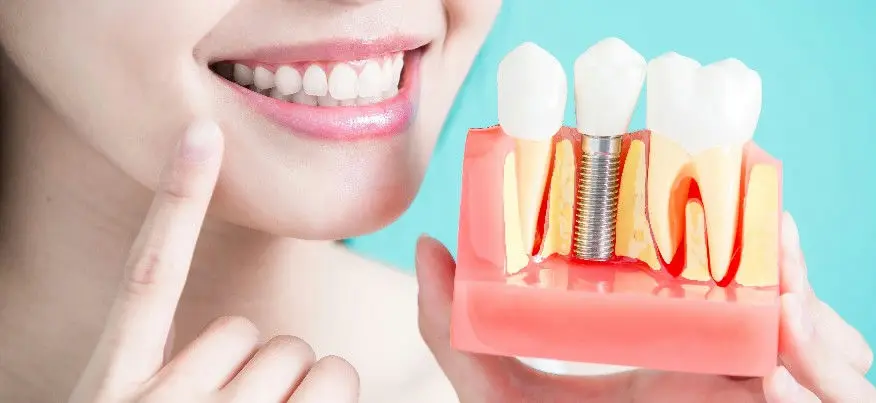
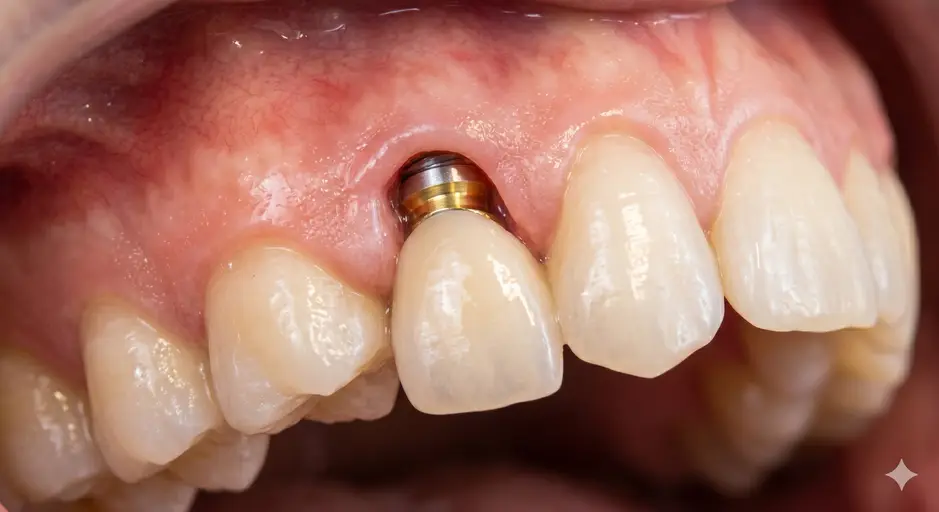
Replaces a missing tooth with a titanium post placed in the jawbone, restored with a crown once healed. From placement to final crown typically takes three to six months.
The cost of a bone graft depends on the size of the defect, its location, the grafting material, and whether it is done together with an implant.
Socket (ridge) preservation - $500 to $800
Guided bone regeneration, with implant - $800 to $1,500
Guided bone regeneration, standalone - $1,800 to $2,500
Internal sinus lift - $800 to $1,500
External sinus lift - $2,500 to $4,000
Block graft - $2,500 to $4,000
Prices exclude consultation, medication, and diagnostic imaging.
Bone grafting and sinus-lift surgery are MediSave-claimable; the claimable amount depends on the procedure performed. Bone grafts are often done together with Dental Implants.
Prices are indicative and based on normal case complexity. A consultation is required for a definitive quote.
Bone graft surgery aims to fill an area where the bone is inadequate in providing structural stability. Your dentist may advise that you undergo bone graft surgery if your jawbone is too thin or soft to support an implant. If the bone cannot support the implant, the implant may eventually get infected and dislodge.
Under local anesthesia, the dental surgeon will cut a flap in the gums of your upper jaw to access the bone underneath. Then, a small hole will be cut into your bone directly below the sinus.
Bone grafting material is then used to fill in the hole that was cut in the jawbone and push the sinus membrane upward. Once the hole is filled, the surgeon will stitch the gums back together over the bone.
Local anaesthesia will be administered, following which the dental surgeon will cut a flap in the gums to reveal the bone underneath. An opening will be cut into the side of the bone.
Bone grafting material will be added to fill the space in the jaw. Then a collagen membrane will be placed over the bone graft to hold it in place and the gums will be stitched back together.
When your tooth is extracted, the bone that was previously supporting the tooth will shrink, resulting in thinner bone in that area. Ridge augmentation helps to add more height or width to the bone so that there is enough support for an implant in the future.
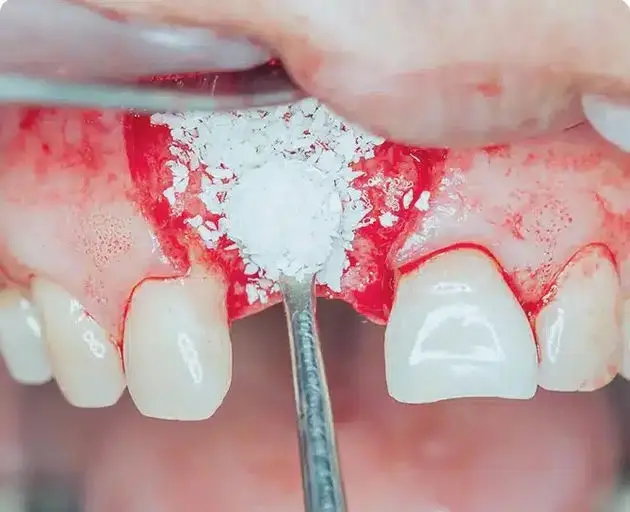
Once your tooth has been extracted, bone graft material will be placed in the empty socket.
Then, the surrounding gums will be stitched over the socket filled with bone graft material.
People who need additional jawbone before or alongside a dental implant — often where bone has been lost after an extraction or gum disease. Imaging assesses the site and how much grafting is needed; general health and healing factors are reviewed.
The graft itself is usually a single surgical appointment; it then integrates with your own bone over several months before an implant is placed, where that is the plan.
Some swelling and discomfort for a few days, managed with prescribed pain relief, soft foods and cold packs. The deeper healing of the graft continues quietly over the following months.
As with any minor surgery there is a small chance of infection, bleeding or swelling, and occasionally a graft does not take fully and needs repeating. The site is reviewed during healing.
Dental bone grafting may not always be necessary for dental implant placement. However, it is often recommended when there is insufficient bone to support the implant or to enhance the long-term success and stability of the implant.
There are different materials used for dental bone grafts, including autografts (bone taken from the patient's own body), allografts (bone from a donor), xenografts (animal bone), and synthetic bone graft substitutes.
Dental bone grafts have a high success rate, but there is a small risk of graft failure. Factors that can contribute to graft failure include infection, poor blood supply, excessive pressure on the graft site, or smoking, which can impair the healing process.
The timing for placing dental implants after a bone graft varies depending on the individual case and the healing progress. In some cases, implants can be placed simultaneously with the bone graft, while in others, a waiting period of several months is necessary for proper integration of the graft before implant placement.
A dental bone graft may be necessary when a person has insufficient bone in their jaw to support a dental implant. It is also used to restore bone loss due to periodontal disease or trauma and to improve the overall structure and density of the jawbone.
During the first 1 to 2 weeks, avoid chewing hard or crunchy goods. Do not use a straw when drinking as this sucking motion can result in more bleeding by dislodging the blood clot. Rinse thoroughly but gently after eating to prevent trapped food from infecting the surgical site.
In general, it will take about 1 month for the gum to heal and 4 to 9 months for the bone to grow and stabilise.
The cost of dental bone grafting can vary depending on factors such as the size of the graft, the type of graft material used, and the complexity of the case. It is best to consult with your dentist or oral surgeon to get an accurate estimate of the cost.
The procedure is typically performed under local anesthesia, so you should not feel any pain during the surgery. Some discomfort or soreness may be experienced after the procedure, but it can be managed with pain medications prescribed by your dentist.
The healing time for a dental bone graft varies depending on the individual, the size of the graft, and the type of graft material used. In general, it can take several months for the graft to integrate with the existing bone.
Please rest and avoid strenuous activities for the first 24 hours following the implant surgery. Your body will need rest in order for the surgical site to heal quickly and smoothly.
Do not brush the surgical site with a toothbrush until you are given the go-ahead by the surgeon at the review visit. Clean the surgical site gently with moist gauze and gargle with the antiseptic mouthwash prescribed. You may brush the teeth next to the surgical site but do so gently and carefully so as not to injure the surgical flap. Do not use any over-the-counter mouthwashes, as these may slow healing and possibly lead to infections.
You are advised not to smoke until the wound has healed, as this slows down healing in the mouth.
A dental bone graft is a surgical procedure that involves adding bone or a bone substitute to the jawbone to create a stable foundation for dental implants or to promote bone regeneration.
Replaces a missing tooth with a titanium post placed in the jawbone, restored with a crown once healed. From placement to final crown typically takes three to six months.
Surgical procedures of the mouth and jaw, including surgical extractions, wisdom tooth removal, bone grafts and biopsies, under local anaesthesia, sedation or general anaesthesia.
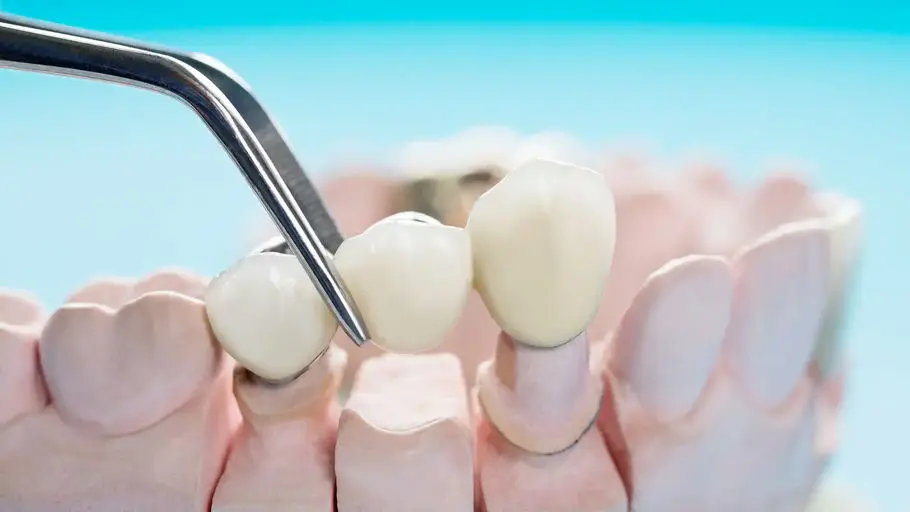
An overview of the options for replacing missing teeth — implants, bridges and dentures — covering what each involves, how long each lasts and typical costs.
Understand when bone grafting is recommended, how it strengthens your jaw, and why it’s often the key to long‑lasting dental implants.
Learn how sinus lift surgery safely creates bone support for secure, long-lasting dental implants in the upper back jaw.