Orthodontic and Functional Devices
Advanced Orthodontic & Functional Devices for Precise, Comfortable Smile Correction
Format Orthodontic Devices
At Advanced Dental Singapore, our specialist dentists provide a variety of orthodontic devices that can improve your dental health, function, and smile.
Improve Your Smile With Our Range of Orthodontic Treatments
Orthodontic devices are used to straighten teeth that may seem too spaced out, crowded, or misaligned. Our dentists have the necessary experience to help you get the smile you desire.
Different Types of Orthodontic Devices
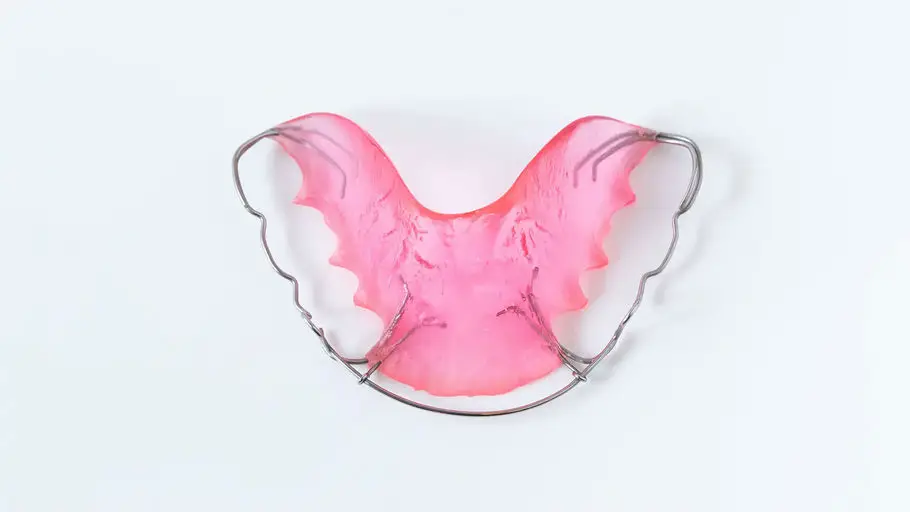
Advanced Dental offers different types of retainers and devices which will help suit your needs.
Temporary Anchorage Device (TAD)
Temporary Anchorage Devices (TAD) are small screws which are placed in your jawbone to provide an anchor point for the movement of your teeth. This helps to provide more force to shift your teeth into position.
Functional Appliances
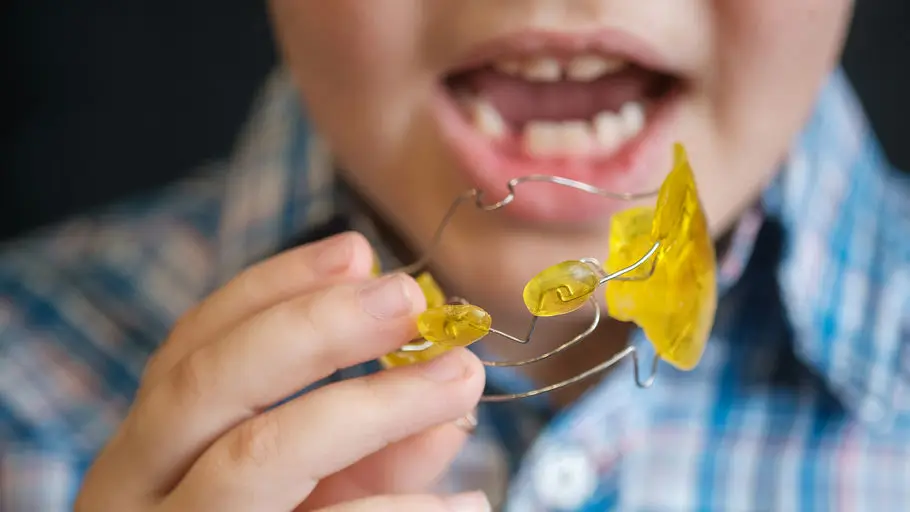
Functional appliances are devices that help correct undesirable tooth and jaw positions. They can be either fixed or removable.
Meet Our Orthodontics Team
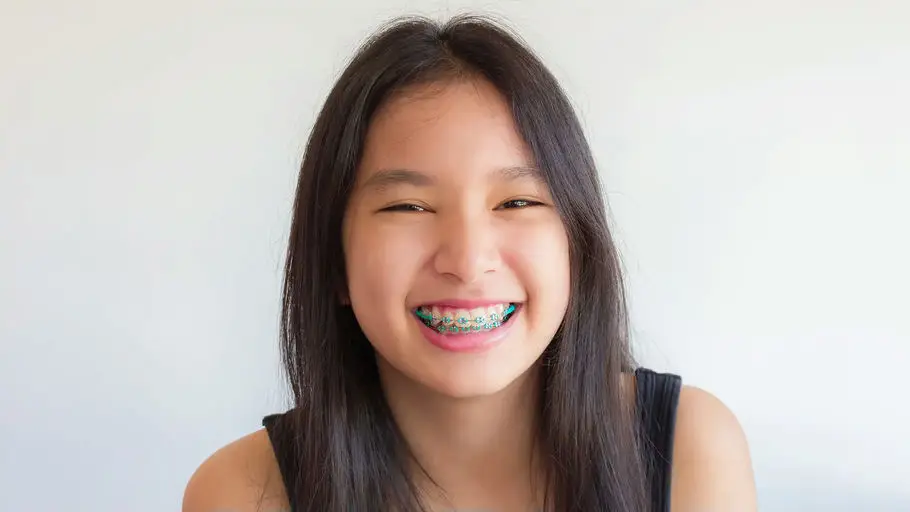
Our experienced team consists of dental surgeons and orthodontic specialists, who have gone through extensive training and take pride in offering you customised orthodontic services. Book an appointment with them for braces or Invisalign at the following locations in Singapore.
Frequently asked questions
Can I eat normally with orthodontic devices?
While some dietary restrictions may apply, most individuals can still eat a wide variety of foods with orthodontic devices. Hard, sticky, or chewy foods should be avoided to prevent damage to the braces or aligners.
Are there different types of mouthguards?
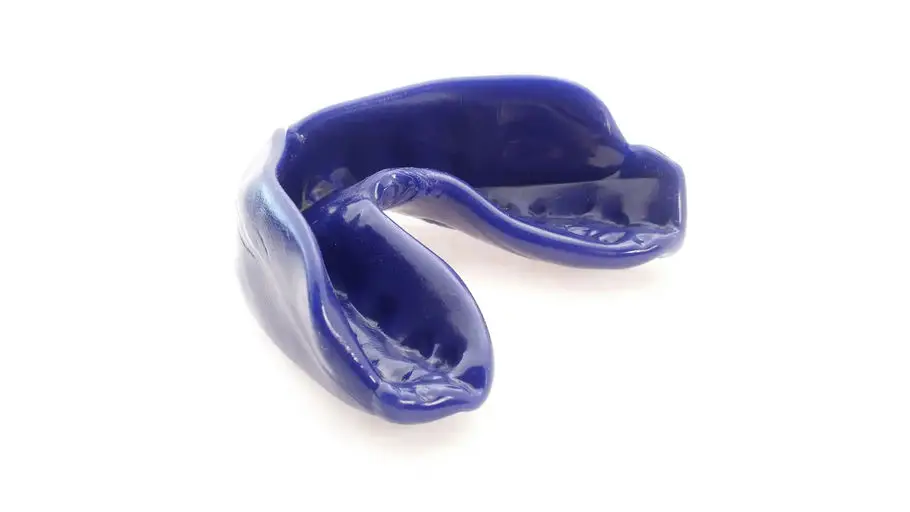
Yes, there are different types of mouthguards available. Stock mouthguards, boil-and-bite mouthguards, and custom-fitted mouthguards are the three main types. Custom-fitted mouthguards, which are made by a dentist, offer the best fit, comfort, and protection.
Why should I wear a mouthguard?
Wearing a mouthguard can significantly reduce the risk of dental injuries during sports or activities that involve potential impact to the face or mouth. It provides a barrier between the teeth and the soft tissues, minimizing the chances of tooth fractures or other oral injuries.
Will I need to wear a retainer after orthodontic treatment?
Yes, wearing a retainer after orthodontic treatment is typically necessary to maintain the newly aligned teeth. Retainers can be removable or fixed, and your orthodontist will provide instructions on how often to wear them.
How do I clean and care for my mouthguard?
It's important to clean your mouthguard regularly to maintain hygiene. Rinse it with cool water after each use and clean it with a mild soap or toothpaste. Store it in a protective case when not in use to prevent damage or contamination.
Show 21 more questions
What is the recommended age for a child's first orthodontic consultation?
We recommend bringing your child for a consultation around age 7. At this age, a dentist can identify unfavorable growth patterns like crossbites and deep bites. Early treatment may simplify or shorten future comprehensive treatment.
Can orthodontic devices affect speech?
It is common to experience minor speech changes or adjustments when wearing orthodontic devices initially. However, most people adapt quickly, and speech typically returns to normal within a short period.
How do I know when I should replace my mouthguard?
The lifespan of a mouthguard depends on factors such as usage, wear, and age. Generally, mouthguards should be replaced every season for sports or annually for regular use. Check for signs of wear and tear, such as holes or a loose fit, and replace as needed.
Are orthodontic devices painful?
It is normal to experience some discomfort or soreness after the initial placement of braces or when aligners are changed. However, the discomfort is usually mild and can be managed with over-the-counter pain relievers.
At what age is it recommended to get orthodontic treatment?
Orthodontic treatment can be done at any age, but it is commonly recommended for children and teenagers when their permanent teeth have erupted. However, adults can also benefit from orthodontic treatment.
What is a mouthguard?
A mouthguard is a protective device worn over the teeth to help prevent dental injuries during sports or physical activities. It acts as a cushion, absorbing and distributing the impact forces that could otherwise cause tooth fractures, lip injuries, or jaw fractures.
What is an orthodontic device?
An orthodontic device is a dental appliance used to correct misaligned teeth and jaws. Examples include traditional braces, clear aligners, expanders, retainers, and headgear.
How do orthodontic devices work?
Orthodontic devices work by applying gentle, controlled forces to the teeth and jaws, gradually moving them into proper alignment. Braces use brackets and wires, while aligners use a series of clear, removable trays.
Will my orthodontic treatment be performed by a specialist?
We have both Orthodontists and General Practitioners who provide orthodontic treatment at Advanced Dental.
How long does orthodontic treatment usually take?
The duration of orthodontic treatment varies depending on the complexity of the case, the age of the patient, and the type of orthodontic device used. Treatment can range from several months to a few years.
How do I choose the right mouthguard?
The right mouthguard depends on several factors, including the sport or activity, personal preference, and individual dental needs. Custom-fitted mouthguards are generally recommended as they provide the best fit and protection, especially for high-contact sports.
Can I wear a mouthguard at night for teeth grinding?
Mouthguards called "nightguards" or "occlusal splints" can be worn at night to protect the teeth from grinding or clenching (bruxism). These mouthguards create a barrier between the upper and lower teeth, preventing tooth wear and reducing jaw muscle strain.
Can I play sports or musical instruments with orthodontic devices?
Yes, you can still participate in sports and play musical instruments with orthodontic devices. It is recommended to wear a mouthguard during contact sports and to take special care when playing certain instruments.
How long can a mouthguard last?
The lifespan of a mouthguard depends on the severity of your grinding as well as how well you care for the mouthguard. On average, mouthguards can last around 6 months to 3 years.
Can children have obstructive sleep apnea?
Yes, obstructive sleep apnea can occur in children as well. It is often caused by enlarged tonsils or adenoids and may present with symptoms such as snoring, restless sleep, bedwetting, and behavioral issues.
Can I use a mouthguard for braces?
Yes, there are mouthguards specifically designed for individuals with braces. These mouthguards accommodate the brackets and wires, providing protection for both the teeth and the orthodontic appliances.
What is a TMJ splint and how does it work?
A TMJ splint, also known as an orthotic or nightguard, is a custom-made dental appliance that helps stabilise the jaw and reduce the impact of teeth grinding or clenching. It also aims to alleviate TMJ disorder symptoms.
Are there any side effects of using a TMJ splint?
Initially, some patients may experience minor discomfort or changes in bite, but these usually resolve with adjustments. It's essential to follow your dentist's recommendations for proper use and care.
How is a TMJ splint different from a regular mouthguard?
While both can be worn in the mouth, a TMJ splint is specifically designed to address issues related to the temporomandibular joint and is custom-fitted to the patient's bite. It is not the same as a generic mouthguard used for sports or orthodontic treatments.
How long do I need to wear a TMJ splint?
The duration of use depends on the severity of your TMJ disorder. Some may wear it only at night, while others may need to wear it throughout the day. Your dentist will provide guidance based on your individual condition.
Can I wear a mouthguard if I have braces or dental restorations?
Yes, you can wear a mouthguard with braces or dental restorations. Custom-fitted mouthguards can be made to accommodate these dental appliances or restorations, providing effective protection.