
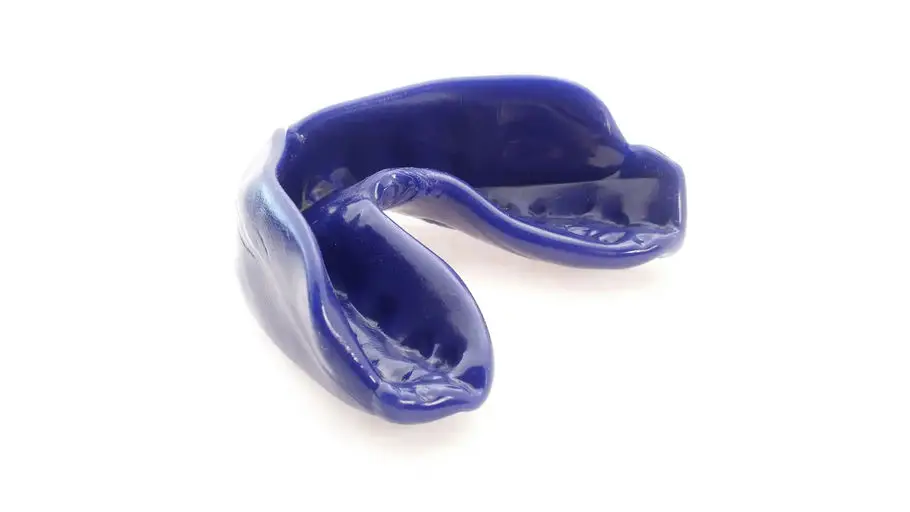
Mouthguards
Custom-fitted guards made from impressions of your teeth: sports mouthguards protect against impact, while night guards protect against grinding (bruxism) during sleep.
Mandibular advancement device (anti-snoring device): from $2,500 to $4,000
Prices are indicative and based on normal case complexity. A consultation is required for a definitive quote.
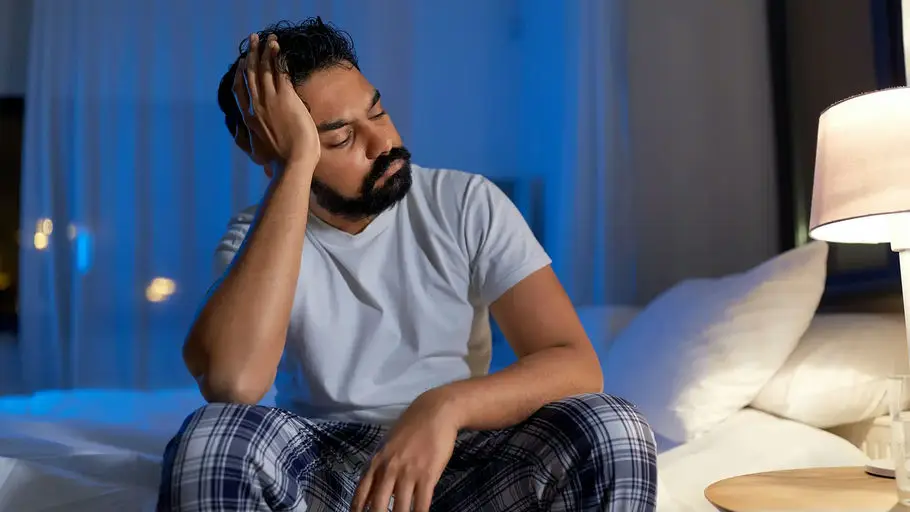
Sleeping disorders such as obstructive sleep apnea leave us sluggish and fatigued, preventing us from enjoying each new day. Dental sleep medicine is a field of dental practice that deals with the use of oral appliances, such as anti-snoring devices, to treat sleeping disorders like sleep apnea and snoring. The most suitable form of treatment for each patient is usually co-determined by a dentist and a sleep physician.
Sleep apnea is a disorder where a person stops breathing repeatedly in their sleep due to a complete or partial blocking of their airway. “Apnea” literally means “without breath.”
Does sleep apnea sound unfamiliar to you? It is actually more common than you think. Unfortunately, most cases of sleep apnea go undiagnosed. In fact, a 2016 study by Jurong Health Services found that:
Yet, up to 90% of these cases were previously undiagnosed.
You may have sleep apnea if you are experiencing the following symptoms:
Depending on the severity of your condition, different treatments may be recommended.
An anti-snoring device, also known as a Mandibular Advancement Device (MAD), helps to reposition your jaw and tongue to improve air circulation. A mould will be taken of your teeth to create a custom-fitted device.
If you would like to find out more about anti-snoring devices and sleep apnea treatment, please give us a call or book an appointment at any of our dental clinics around Singapore.
People who snore or have mild to moderate obstructive sleep apnea, often as an alternative to a CPAP machine, and some who cannot tolerate CPAP. A sleep study and medical assessment guide whether an oral appliance is appropriate for you.
After an assessment and impressions, the custom appliance is made and fitted over a few weeks, with reviews to adjust the position for comfort and effect.
No downtime. The appliance is worn at night; mild jaw or tooth tenderness and extra saliva are common at first and usually settle as you get used to it.
Possible jaw or tooth discomfort, bite changes over long-term use, and it may not fully control more severe sleep apnea — which is why ongoing review and, where needed, a sleep physician's input matter.
While obstructive sleep apnea cannot be fully reversed, it can be effectively managed with appropriate treatment. Compliance with recommended therapies, lifestyle modifications, and regular follow-up can help control symptoms and improve quality of life.
Yes, obstructive sleep apnea can occur in children as well. It is often caused by enlarged tonsils or adenoids and may present with symptoms such as snoring, restless sleep, bedwetting, and behavioral issues.
Untreated obstructive sleep apnea can increase the risk of developing several health conditions, including hypertension, cardiovascular disease, stroke, type 2 diabetes, and depression.
Treatment options for obstructive sleep apnea may include lifestyle modifications (such as weight loss and positional therapy), continuous positive airway pressure (CPAP) therapy, oral appliances, and in some cases, surgical interventions.
Yes, for individuals who are unable to tolerate or comply with CPAP therapy, oral appliances may be recommended. These devices help keep the airway open by repositioning the jaw and tongue during sleep.
Common symptoms of sleep apnea include morning headaches, dry mouth in the morning, excessive gasping or snoring during sleep, and difficulty falling asleep.
For a mild case of sleep apnea, a dentist may recommend an anti-snoring device worn during sleep to reposition the jaw and tongue for better air circulation. More severe cases may require a continuous positive airway pressure (CPAP) system or surgery.
A diagnosis of obstructive sleep apnea is typically made through a sleep study called polysomnography. This test monitors various physiological parameters during sleep, such as breathing patterns, brain waves, and oxygen levels.
Common symptoms include loud snoring, excessive daytime sleepiness, morning headaches, irritability, difficulty concentrating, and witnessed episodes of breathing cessation during sleep.
Anti-snoring devices are designed to reposition your jaw, which can lead to complications such as the shifting or even loss of your teeth if the right care is not taken. It is recommended that you use a custom-made device and receive regular monitoring by your dentist and/or sleep physician for the safe and most effective solution to sleep apnea.
Obstructive sleep apnea is a sleep disorder characterized by repeated pauses in breathing during sleep. These pauses occur due to the collapse or blockage of the upper airway, leading to disrupted sleep patterns and potential health risks.
CPAP therapy is highly effective in treating obstructive sleep apnea. It involves wearing a mask over the nose or nose and mouth during sleep, which delivers a constant flow of air to keep the airway open. Compliance with CPAP therapy is crucial for optimal results.
Yes, weight loss can be beneficial in managing obstructive sleep apnea, particularly if excess weight is a contributing factor. Losing weight through a combination of diet and exercise can reduce the severity of symptoms in some cases.
Custom-fitted guards made from impressions of your teeth: sports mouthguards protect against impact, while night guards protect against grinding (bruxism) during sleep.
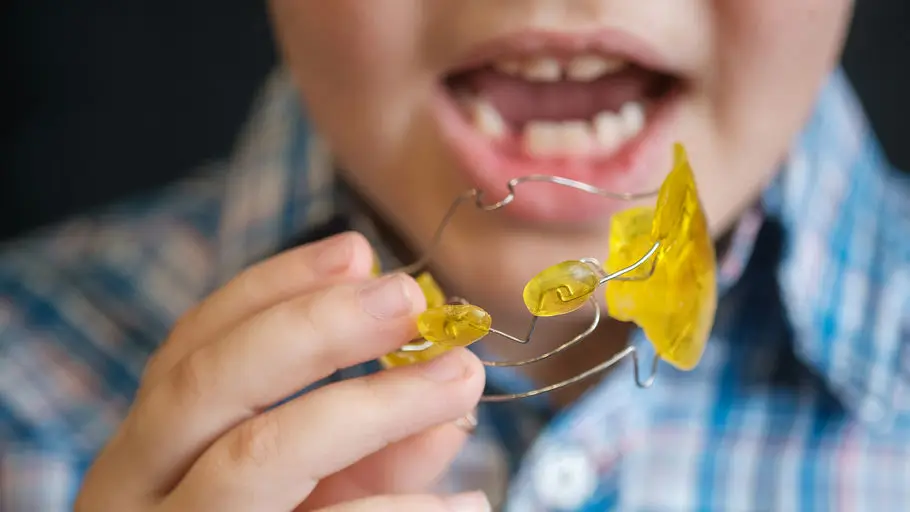
Appliances that guide tooth position and jaw growth — expanders, functional appliances, space maintainers and habit-breaking devices — often used in children before or alongside braces.
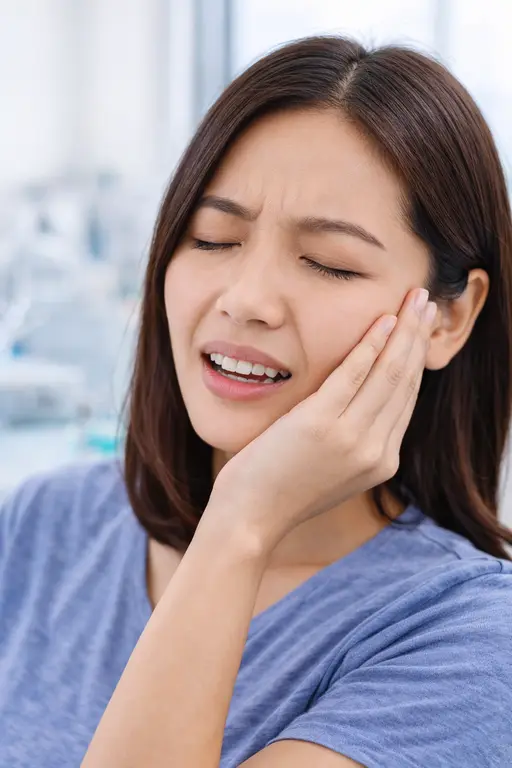
Diagnosis and management of jaw-joint and muscle problems — pain, clicking, locking and bite-related headaches — using bite splints, physiotherapy, medication or botulinum injections.
How Sleep Apnea Impacts Your Teeth, Jaw, and Overall Oral Health