Aesthetic Dentistry
Treatments that change how teeth look — whitening, veneers, bonding, crowns and alignment — planned around your bite and overall oral health.
Veneers range from $250 to $1,500 per tooth, depending on the material:
Direct composite veneers: $250 to $450 per tooth, shaped on the tooth in a single visit
Porcelain veneers: $1,100 to $1,500 per tooth, custom-made in a dental laboratory
The dentist will recommend the material that suits your teeth.
Prices are indicative and based on normal case complexity. A consultation is required for a definitive quote.
Do you feel self-conscious about discoloured or worn-down teeth? Veneers may be the solution to getting your confident smile back.
Veneers are thin shells of ceramic or resin that are bonded to the surface of your teeth to cover up defects. If you're bothered by minor imperfections in the shape or colour of your teeth, visit any of our dental clinics across Singapore to find out which type of veneers is suitable for you.
Veneers crafted with porcelain have a natural and beautiful look. Despite their delicate appearance, porcelain veneers are tough, and you won’t have to worry about them chipping as easily as cheaper resin materials.
Composite veneers, also known as direct veneers, are faster, less costly and less invasive to craft than other aesthetic treatments, including porcelain veneers.
Your dentist will lightly trim your teeth so the veneer fits closely.
A mould of your teeth will be taken and sent to a dental laboratory where your custom-made veneers will be expertly fashioned.
In around 2 weeks, your veneers will be ready. They will be carefully bonded to your teeth by your dentist, and you will leave the clinic with a beautiful, brand-new smile.
If you are opting for composite veneers, the treatment can be done in a single appointment. Resin will be applied to your tooth and hardened under UV light. The shape and colour of your teeth will be altered to give you a beautiful smile.
People who want to change the shape, colour or alignment of front teeth that are chipped, worn, slightly gapped or discoloured, where the teeth and gums are healthy. Veneers are cosmetic, so active decay or gum disease is treated first. Heavy grinders may be advised on a nightguard or an alternative.
Composite veneers are often shaped in a single visit; porcelain veneers usually take two visits, with the shells made in a dental laboratory between appointments.
There is no real downtime. Teeth may feel mildly sensitive to hot and cold for a short while after preparation, which settles. Normal brushing and flossing continue as usual.
A prepared tooth has a little enamel removed, so the change is not reversible. Veneers can chip or come off over time and may eventually need replacing; the tooth underneath can still decay, so routine care matters.
Dental veneers do not require special care beyond maintaining good oral hygiene practices. Brushing twice a day, flossing daily, and regular dental check-ups are essential for keeping your veneers and natural teeth in optimal condition.
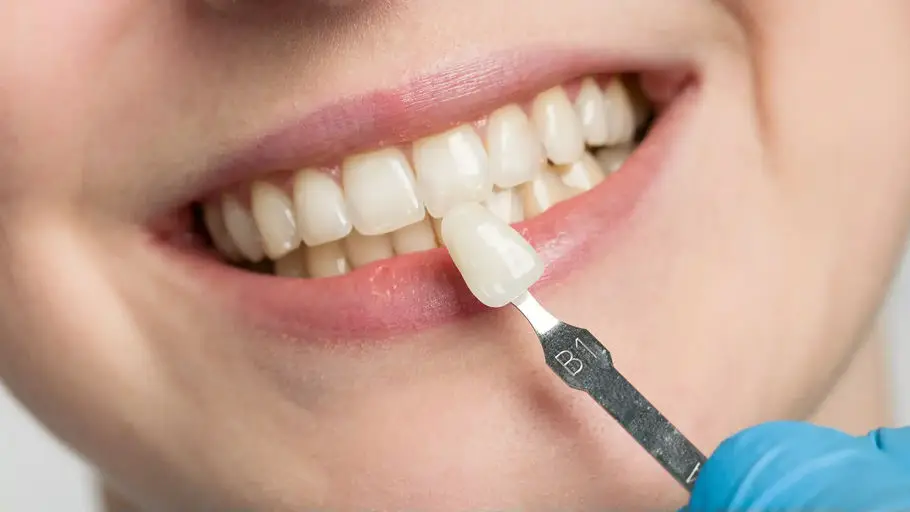
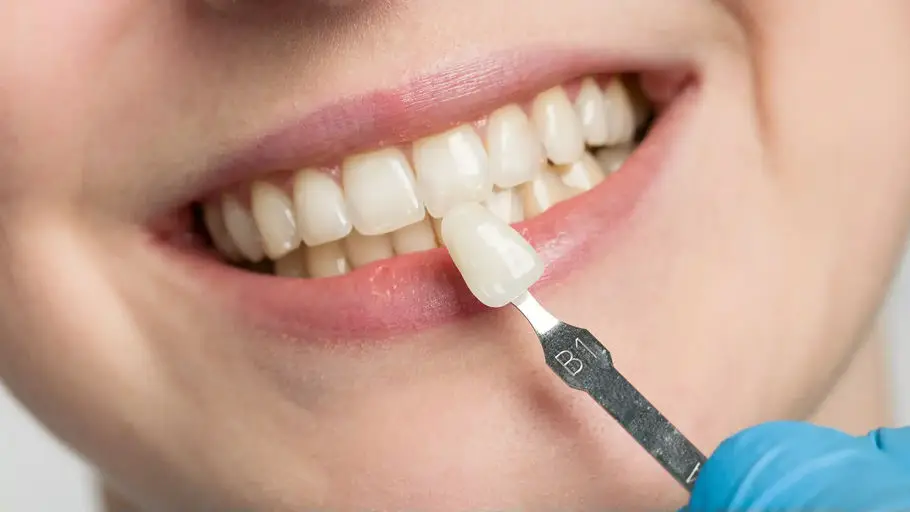
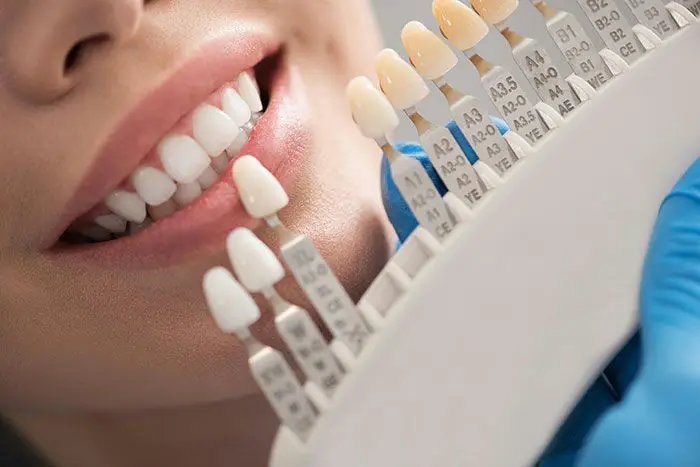
We will try our best to select a shade that is as close to that of your natural teeth as possible. However, it may not always be possible to match the colour of your natural teeth exactly as the colour of your teeth is uniquely determined by both its internal and external shade. In general, porcelain veneers will be able to match a natural tooth shade better due to their slightly translucent nature.
Dental veneers are resistant to staining, so they will not respond to traditional teeth whitening treatments. If you're considering whitening your teeth, it's best to do it before getting veneers to ensure a uniform shade.
The process typically involves several steps. It starts with a consultation to discuss your goals and expectations. Then, the dentist will prepare the teeth, take impressions, and send them to a dental laboratory for veneer fabrication. Temporary veneers may be placed in the interim. In the final appointment, the permanent veneers are bonded to the teeth.
To maintain your veneers, avoid extremely hard foods, dark liquids (drink coffee/tea in moderation), tobacco, and alcoholic beverages. Drinking through a straw and rinsing your mouth with water after meals can reduce the risk of staining.
Composite veneers may discolour over time as the material is more porous and can become stained by food and drinks like tea, coffee and red wine. Porcelain veneers will not discolour.
Dental veneers are thin, custom-made shells that are bonded to the front surface of teeth. They are typically made from porcelain or composite resin and are designed to improve the appearance of teeth by enhancing their shape, color, and alignment.
Composite resin veneers can usually be done in one appointment. Ceramic veneers require a longer timeframe as a mold of your teeth is sent to a laboratory for fabrication.
We offer whitening treatment that will be able to lighten the natural shade of your tooth. If the discolouration of your teeth is more severe, you may consider having veneers done to cover the discoloured teeth.
The process of placing dental veneers is considered irreversible as a small amount of tooth enamel is usually removed to accommodate the thickness of the veneers. Therefore, it's important to carefully consider the decision and consult with your dentist before proceeding.
Dental insurance coverage for veneers varies among insurance plans. In most cases, veneers are considered a cosmetic procedure and may not be covered. However, it's best to check with your insurance provider to determine your coverage options.
Yes, there are alternatives to dental whitening. Dental veneers or bonding can be used to cover stained teeth permanently. Additionally, practicing good oral hygiene, avoiding stain-causing foods and beverages, and regular dental cleanings can help maintain a brighter smile.
Yes, once the veneers are bonded, you can resume your normal eating and drinking habits. However, it is advisable to avoid biting into hard objects or excessively sticky foods that can potentially damage the veneers.
The lifespan of a veneer depends on how well they are taken care of as well as your biting and eating habits. For areas of the tooth that are prone to more wear or greater biting forces, porcelain veneers may be more suitable than composite veneers. Usually, porcelain veneers can last between 10 to 15 years.
Veneers are thin shells bonded to the surface of your teeth for aesthetic purposes. They can enhance the shape of worn-out teeth, correct tooth color, and refine minor irregularities in tooth positioning.
The treatment has three stages: consultation/treatment plan, preparation/molding, and bonding. In the preparation stage, approximately half a millimeter of your tooth's outer layer is removed to allow for the veneer's thickness.
Good candidates for dental veneers are individuals with healthy teeth and gums, who have cosmetic concerns such as stained, chipped, misaligned, or unevenly spaced teeth. A thorough evaluation by a dentist is necessary to determine if veneers are suitable for your specific case.
Veneers can be placed on one or multiple teeth, depending on your specific needs and goals. Your dentist will evaluate your oral health, the condition of your teeth, and discuss the best treatment plan to achieve your desired outcome.
Treatments that change how teeth look — whitening, veneers, bonding, crowns and alignment — planned around your bite and overall oral health.
Botulinum toxin injections for dental indications such as jaw muscle pain, teeth grinding (bruxism) and a gummy smile. Effects appear within days and last around three to four months.
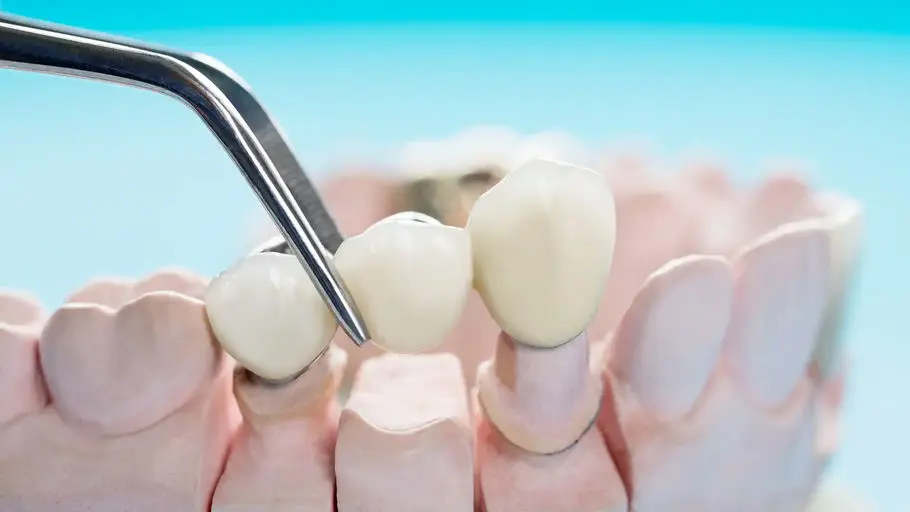
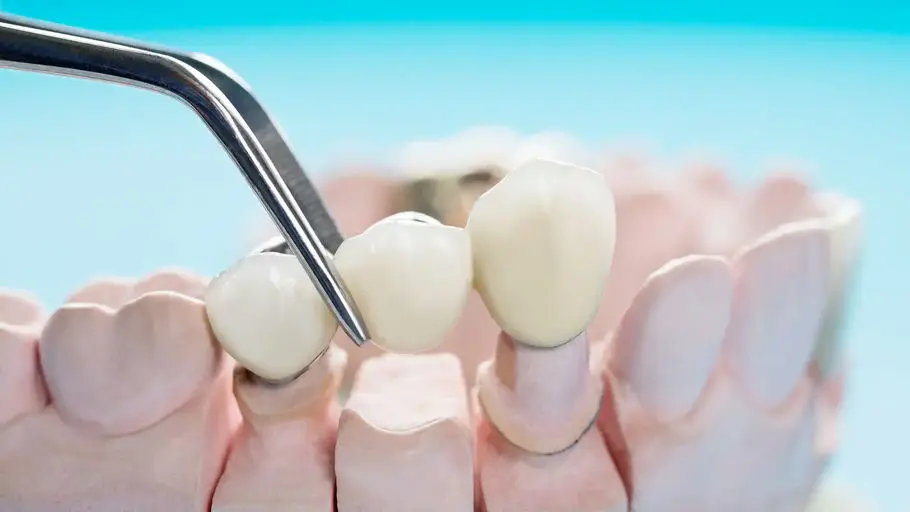
A crown caps a weakened or root-treated tooth to restore its shape and strength; a bridge replaces a missing tooth by anchoring onto the teeth beside the gap. Both typically take two visits.
Straightens teeth with a series of removable clear aligners changed every one to two weeks. Treatment commonly takes 6 to 18 months depending on case complexity.
An overview of the options for replacing missing teeth — implants, bridges and dentures — covering what each involves, how long each lasts and typical costs.
Reshapes an uneven gum line or reduces gum coverage in a gummy smile, performed under local anaesthesia after assessing how gums, lips and teeth meet.
Lightens the shade of natural teeth using dental-grade whitening gel, applied in-clinic or with custom take-home trays. Results vary with the cause of discolouration.
Discover how veneers can transform your smile, the potential downsides, and what to expect before committing to treatment
Discover the key differences between veneers and crowns to choose the right option for your smile and dental health.
Discover what affects veneer longevity and learn simple care tips to keep your new smile looking great for years to come.