Emergency Dentistry
Same-day dental care for urgent problems — toothache, a broken or knocked-out tooth, swelling, or a lost filling or crown. Book an urgent slot by region, or call, and we will see you at the nearest available clinic.
Surgical removal (per tooth) by a general dentist: $650 to $1,950 — inclusive of medications, X-rays and the review visit.
By a specialist oral & maxillofacial surgeon: $1,250 to $1,800, excluding consultation, medication and X-rays.
For a fully erupted wisdom tooth that can be taken out by simple extraction, see Extractions.
Surgical removal of an impacted wisdom tooth is fully MediSave-claimable — a fixed operation limit from MOH's Table of Surgical Procedures (operations range from $240 to $5,290), plus up to $830 a day in day-surgery facility charges.
Prices are indicative and based on normal case complexity. A consultation is required for a definitive quote.
Wisdom Tooth Removal Cost in Singapore (2026): full fee breakdown →
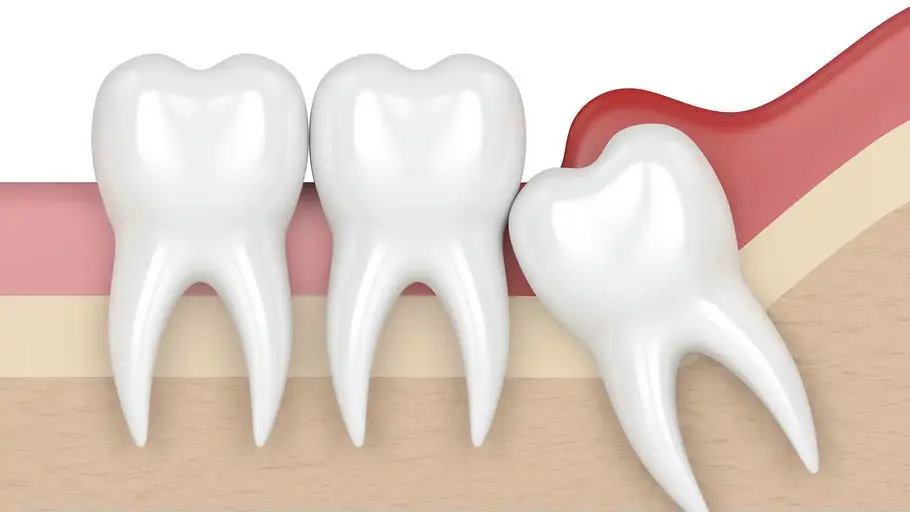
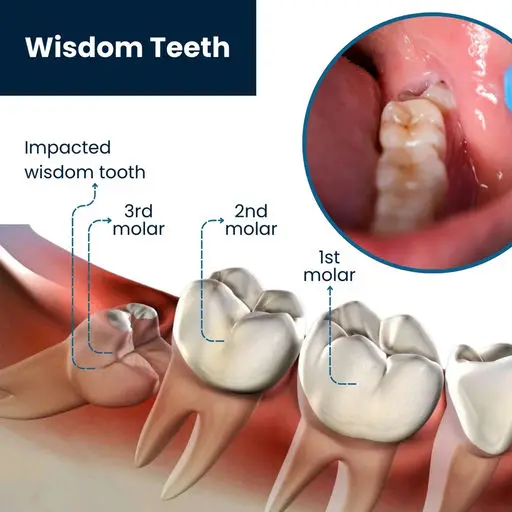
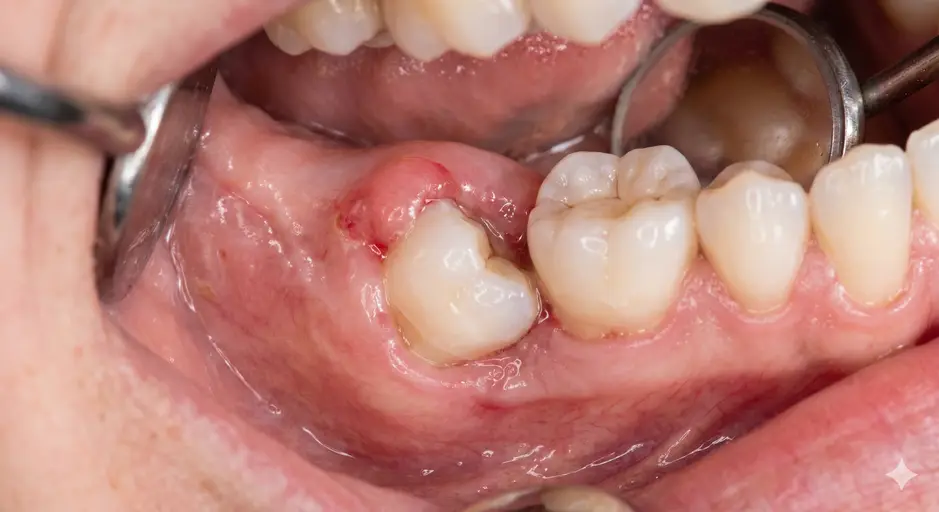
Wisdom tooth surgery may have to be performed if the wisdom tooth is impacted or partially erupted. However, for wisdom teeth that have erupted fully, they can usually be removed with regular extractions by a dentist.
There are several reasons for it such as:
Your wisdom tooth may not have sufficient space to erupt fully and may end up being impacted in your jaw. When the tooth is only partially erupted, the gums can become painful and swollen due to infection because it is difficult to brush them and keep the tooth clean. In severe cases, these infections may cause facial swellings or even restrict mouth opening.
Being positioned so far at the back of our mouths, wisdom teeth can be hard to brush and floss. This commonly causes tooth decay. If the wisdom tooth is impacted, food also tends to get trapped easily, resulting in the decay of both your upper and lower wisdom tooth and the neighbouring tooth.
Cysts may appear when fluid is built up around an unerupted tooth in the jaws. The cysts can become infected, which causes pain and swelling. If left untreated, the cysts can grow larger in size and destroy the jaw bone and roots of the neighbouring teeth. Hence, these cysts should be treated early.
Wisdom teeth that have erupted fully can usually be removed with regular extractions. However, surgery may have to be performed if the wisdom tooth is impacted or partially erupted.
People with impacted, partially erupted or repeatedly infected wisdom teeth, or a wisdom tooth that is hard to clean and causing problems. An X-ray (sometimes a 3D scan) shows the tooth's position and how close it sits to the nerve. Symptom-free, well-positioned wisdom teeth may simply be monitored.
A single surgical appointment, commonly 30 to 60 minutes depending on the tooth. Any stitches are removed about one to two weeks later.
Swelling and discomfort are common for a few days and ease over about a week. Soft foods, cold packs and prescribed pain relief help; avoid smoking, vigorous rinsing and strenuous activity early on to protect the healing socket.
Temporary swelling, bruising and jaw stiffness are common. Less common are infection and dry socket; for lower wisdom teeth close to a nerve there can be temporary or, rarely, lasting altered sensation in the lip or tongue. The surgeon checks nerve proximity on the X-ray before surgery.
Avoid brushing the surgical site on the day of surgery but be sure to brush and floss the other areas of your mouth as you would normally. You will also be given a mouthwash to help with oral hygiene. The gap at the wisdom tooth site is only temporary, and it will close after a while as the gums heal over it.
The duration of the surgery ranges between 15 to 60 minutes, depending on the condition and complexity.
We recommend that you avoid physical exertion for the period of medical leave after your surgery, as your body will need rest for the surgical site to heal quickly and smoothly.
Local anaesthesia is administered so you feel no pain during the surgery. The dentist opens the gum tissue to remove the tooth, sometimes cutting it into smaller pieces. The gums are then stitched to close the wound. After the surgery, avoid crunchy, chewy, spicy, or acidic foods. Recovery takes a few days to a couple of weeks, depending on the surgery's extent.
The actual procedure is typically performed under local anaesthesia, so you won't feel any pain during the surgery. However, it's common to experience some discomfort and swelling after the procedure. Your oral surgeon will provide appropriate pain management options.
Blood clot formation is necessary to stop bleeding. Please do not touch the surgical site using your fingers or tongue. On the day of the surgery, avoid drinking through straws, rinsing your mouth excessively, or spitting vigorously, as these could affect blood clot formation.
Once the numbness has worn off, it's recommended that you consume something because nourishment is key in the healing process. Take a soft and cool diet that does not require chewing for the first few days (i.e. porridge, oatmeal, milkshake yoghurt, or soup etc.). Avoid hot and spicy foods to reduce irritation of the surgical sites. Smokers should also avoid smoking as it is counterproductive to the healing process.
Your oral surgeon will provide specific instructions regarding fasting before the surgery. Typically, you will be advised not to eat or drink anything for a certain period before the procedure to prevent complications and ensure your safety during anaesthesia.
Generally, about 5 days of medical leave is given after the surgical removal of a wisdom tooth — sometimes up to a week for a complex case. For a simple, non-surgical extraction, it is usually 2 to 3 days. Your dentist confirms the exact number for your case.
The recovery time can vary depending on the complexity of the extraction and individual factors. Generally, it takes about a week to ten days to recover fully. During this time, you may experience some swelling, mild pain, and difficulty opening your mouth fully.
Like any surgical procedure, there are potential risks and complications, although they are relatively rare. These can include infection, dry socket (delayed healing), damage to surrounding teeth or nerves, excessive bleeding, or sinus complications. Your oral surgeon will discuss these risks with you beforehand.
After wisdom tooth surgery, you will usually have mild pain, swelling and discomfort for a few days. This is normal and limited to the surgical area. You will be given painkillers and other medicine to keep you comfortable and help your recovery, and the discomfort usually eases over the following days.
Wisdom tooth surgery, also known as wisdom tooth extraction, is a surgical procedure to remove one or more wisdom teeth (third molars) that may be impacted, causing pain, infections, or other dental problems.
Stitches are usually removed 1-2 weeks after surgery. Your dentist will advise you on the exact date during your visit.
Yes, your oral surgeon will schedule a follow-up appointment to monitor your healing progress. They will check the extraction site, remove any stitches if necessary, and address any concerns or questions you may have.
Wisdom teeth are commonly removed due to various reasons, including lack of space in the mouth, impaction (when the tooth doesn't fully emerge), improper alignment, potential damage to nearby teeth, gum disease, or recurrent infections.
It is common to bleed slightly from the surgical site for 1-2 days after surgery. To stop bleeding, place a piece of gauze directly at the surgical site and bite down firmly. Change the gauze every 30 minutes or as needed. Keeping your head elevated with pillows can also help to control bleeding. However, if bleeding continues or increases, please call our dental clinic for advice immediately, and we will be happy to assist you.
Same-day dental care for urgent problems — toothache, a broken or knocked-out tooth, swelling, or a lost filling or crown. Book an urgent slot by region, or call, and we will see you at the nearest available clinic.
Surgical procedures of the mouth and jaw, including surgical extractions, wisdom tooth removal, bone grafts and biopsies, under local anaesthesia, sedation or general anaesthesia.
Removal of teeth that cannot be saved due to decay, gum disease, fracture or crowding, done under local anaesthesia. Replacement options are discussed before any extraction.
Understand wisdom tooth symptoms, treatment options, and the right time for removal
Understanding when extraction is necessary, and when your wisdom teeth can stay put
Discover the advanced surgical care OMS specialists provide for your teeth, jaws, face, and overall oral health
Essential tips for managing pain, protecting your smile, and healing quickly after oral surgery