Bone Grafts
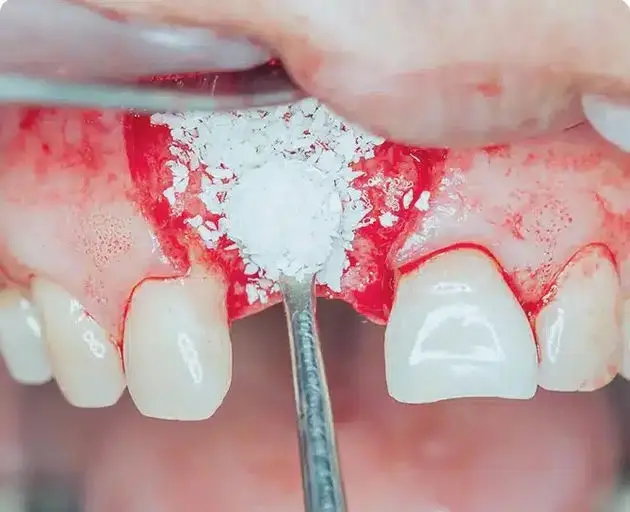
Rebuilds jawbone lost after extractions or gum disease, usually to create enough bone for a dental implant. The graft integrates with your own bone over several months.
24 procedures offered. See the clinic page.
Rebuilds jawbone lost after extractions or gum disease, usually to create enough bone for a dental implant. The graft integrates with your own bone over several months.
Fixed metal or ceramic brackets and wires that move teeth into alignment, adjusted every four to eight weeks. Treatment commonly takes 18 to 30 months.
Dental care for infants, children and teens — first visits, check-ups, fluoride, fissure sealants and fillings — paced to each child's comfort.
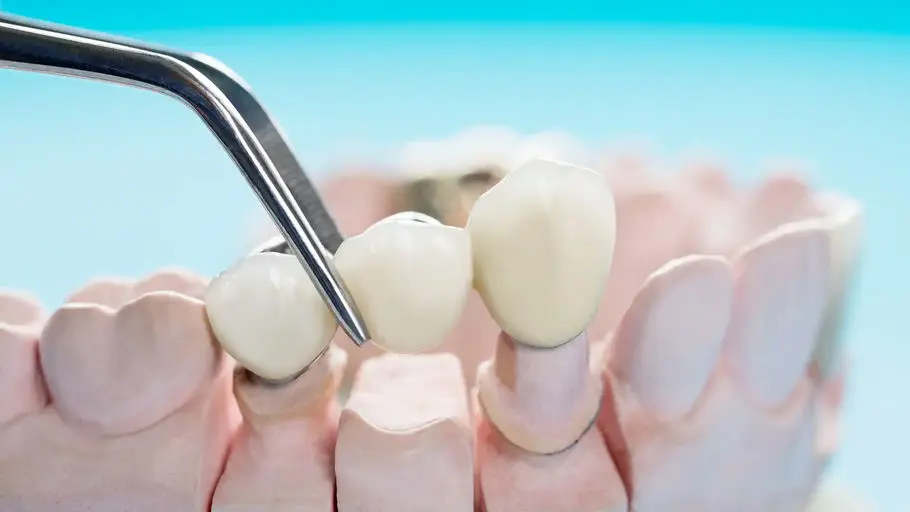
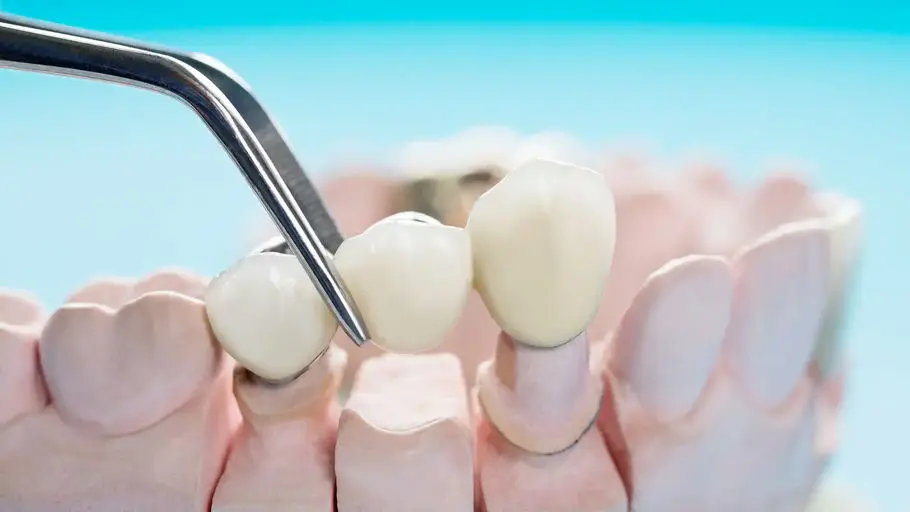
A crown caps a weakened or root-treated tooth to restore its shape and strength; a bridge replaces a missing tooth by anchoring onto the teeth beside the gap. Both typically take two visits.
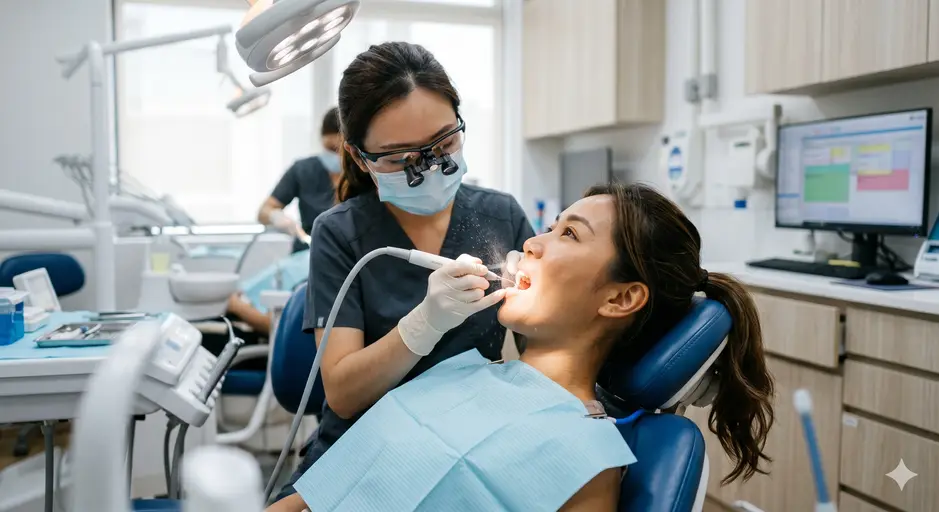
A routine visit covering an examination of teeth, gums and existing dental work, with scaling and polishing to remove plaque and tartar. Recommended every six months.
Removable replacements for missing teeth — full or partial — made of acrylic or metal-framed cobalt-chromium. Fitting takes several appointments, with adjustments as you adapt.
Same-day dental care for urgent problems — toothache, a broken or knocked-out tooth, swelling, or a lost filling or crown. Book an urgent slot by region, or call, and we will see you at the nearest available clinic.
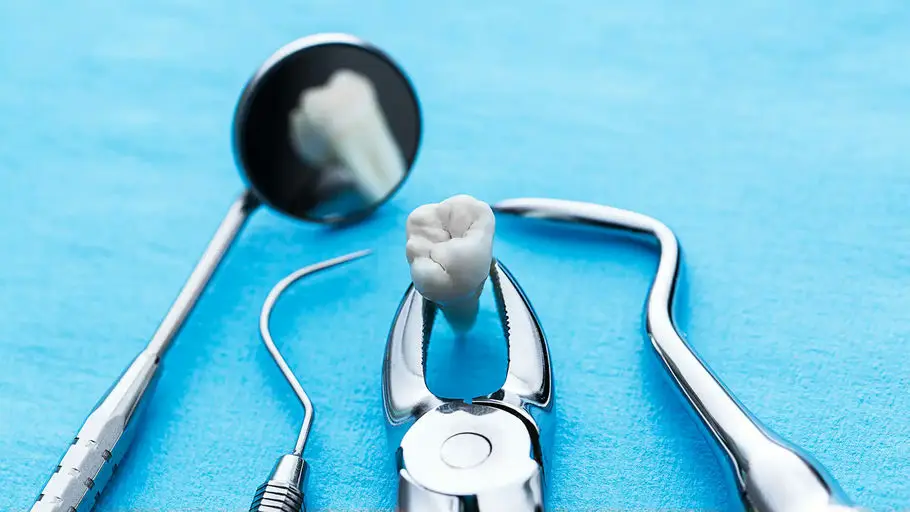
Removal of teeth that cannot be saved due to decay, gum disease, fracture or crowding, done under local anaesthesia. Replacement options are discussed before any extraction.
Day-to-day dental care for all ages — check-ups, cleaning, fillings, extractions and preventive care — for the whole household at one clinic.
Repairs teeth damaged by decay, chips or wear: the damaged portion is removed and the tooth is rebuilt with tooth-coloured filling material, usually in a single visit.
Reshapes an uneven gum line or reduces gum coverage in a gummy smile, performed under local anaesthesia after assessing how gums, lips and teeth meet.
Treats gingivitis and periodontitis (gum disease), from deep cleaning of the root surfaces (scaling and root planing) to gum surgery where bone loss has occurred.
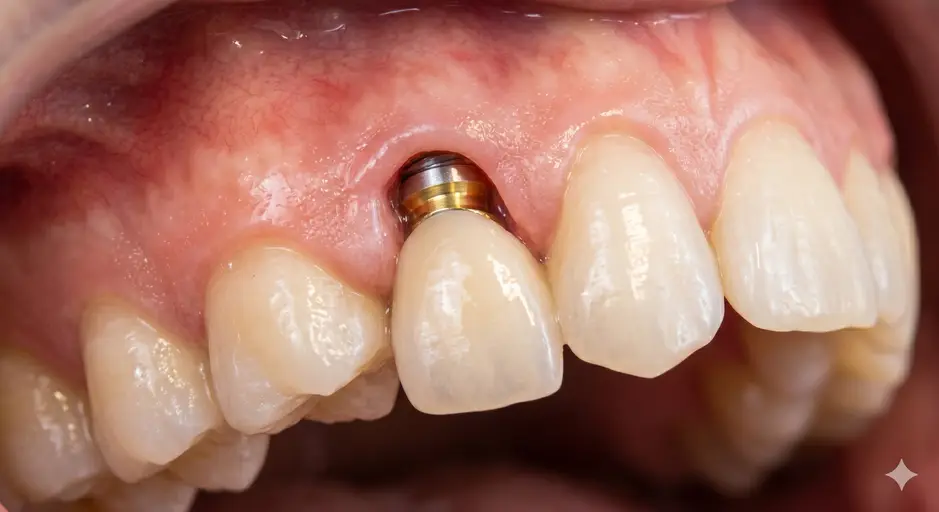
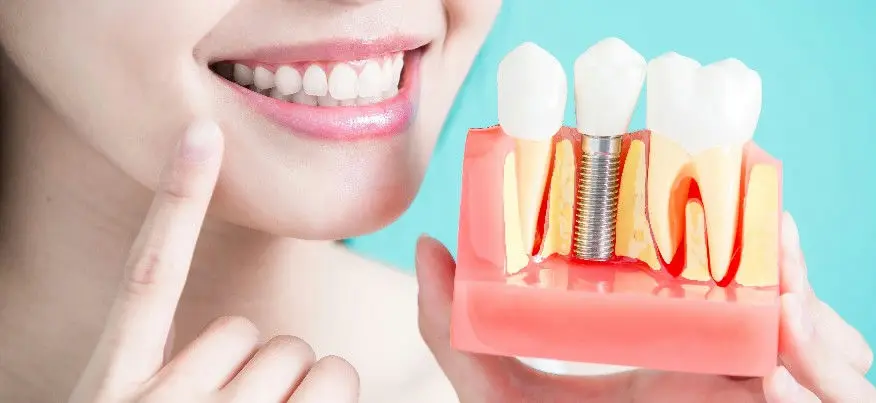
Replaces a missing tooth with a titanium post placed in the jawbone, restored with a crown once healed. From placement to final crown typically takes three to six months.
Straightens teeth with a series of removable clear aligners changed every one to two weeks. Treatment commonly takes 6 to 18 months depending on case complexity.
Custom-made oral appliances that hold the lower jaw forward during sleep to keep the airway open — an option for snoring and mild to moderate obstructive sleep apnea.
Surgical procedures of the mouth and jaw, including surgical extractions, wisdom tooth removal, bone grafts and biopsies, under local anaesthesia, sedation or general anaesthesia.
An overview of the options for replacing missing teeth — implants, bridges and dentures — covering what each involves, how long each lasts and typical costs.
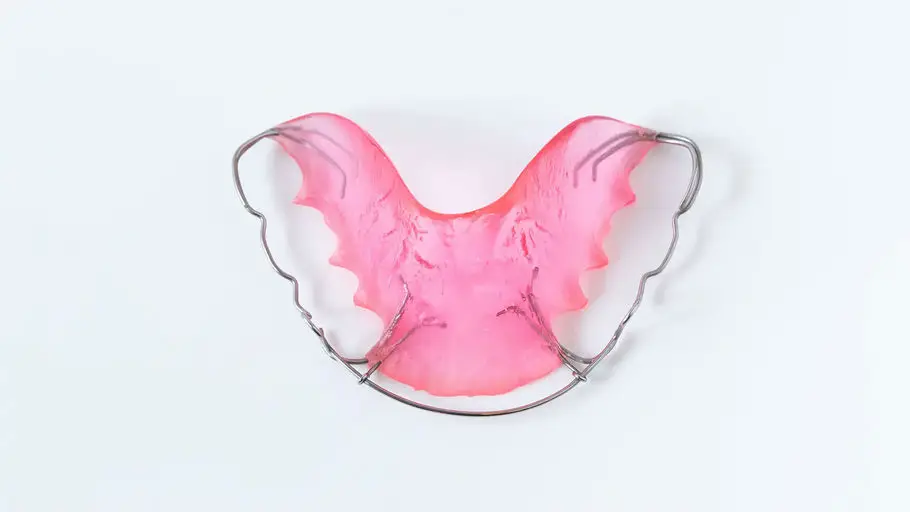
Custom appliances worn after braces or aligner treatment to hold teeth in their corrected positions — removable clear or Hawley retainers, or a fixed wire behind the teeth.
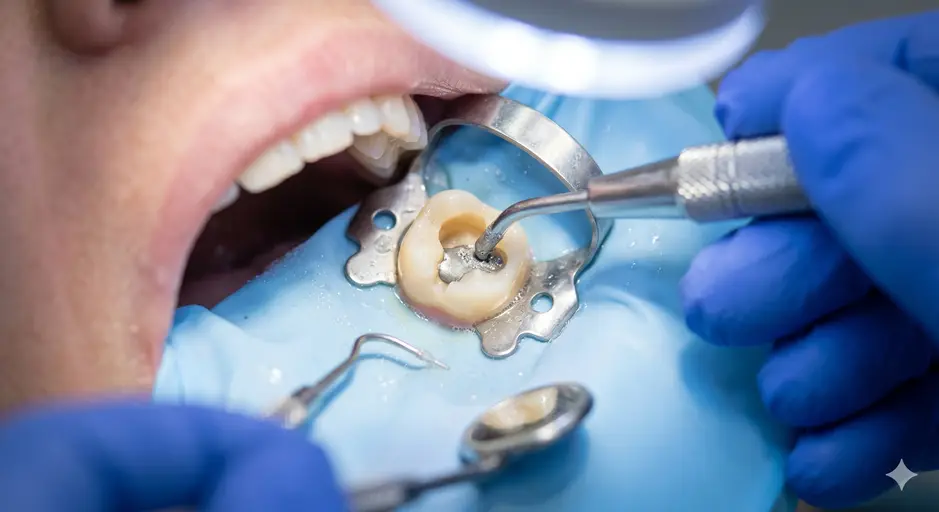
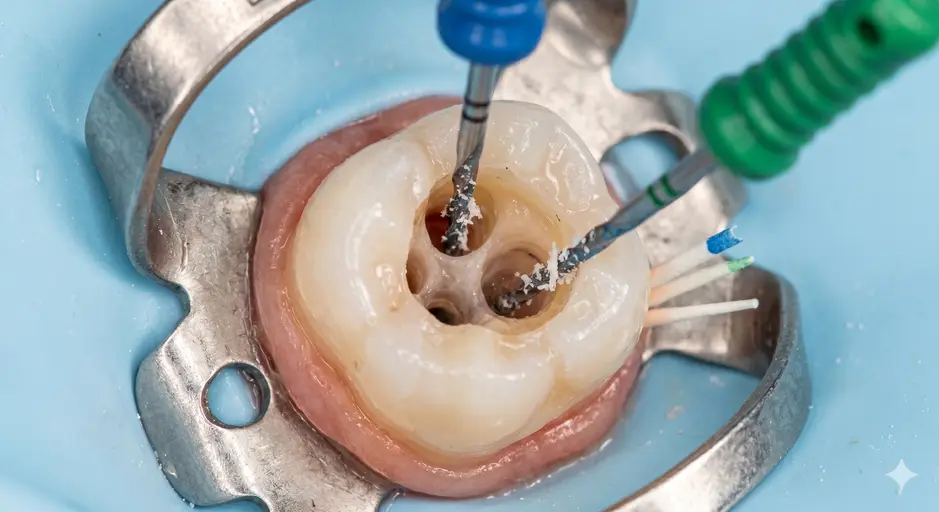
Removes infected or inflamed pulp from inside a tooth, then cleans, shapes and seals the root canals so the natural tooth can be kept. Usually one to three visits; a crown is often recommended afterwards.
Diagnosis and treatment of teeth that ache with cold, heat or sweet food. Depending on the cause, options range from desensitising agents and fillings to gum or root canal treatment.
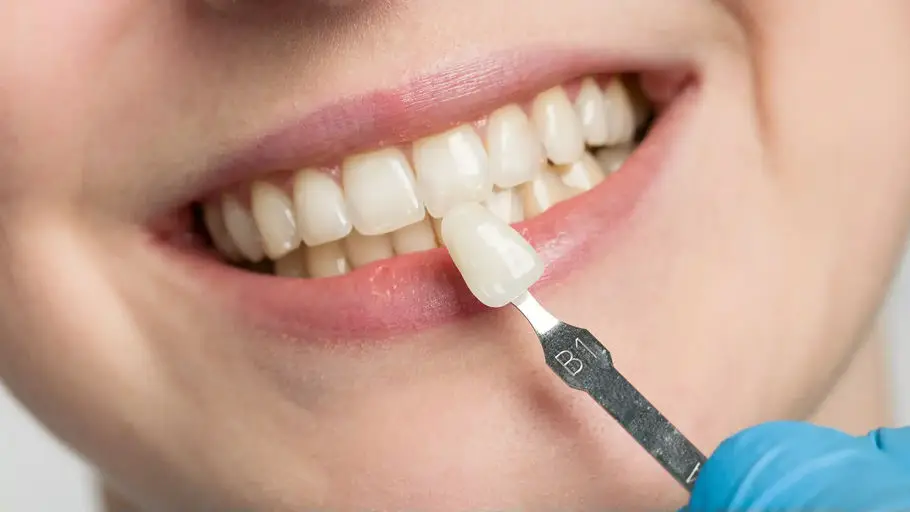
Thin porcelain or composite shells bonded to the front surface of teeth to change their shape and colour, commonly used for chips, gaps and discolouration.
Lightens the shade of natural teeth using dental-grade whitening gel, applied in-clinic or with custom take-home trays. Results vary with the cause of discolouration.
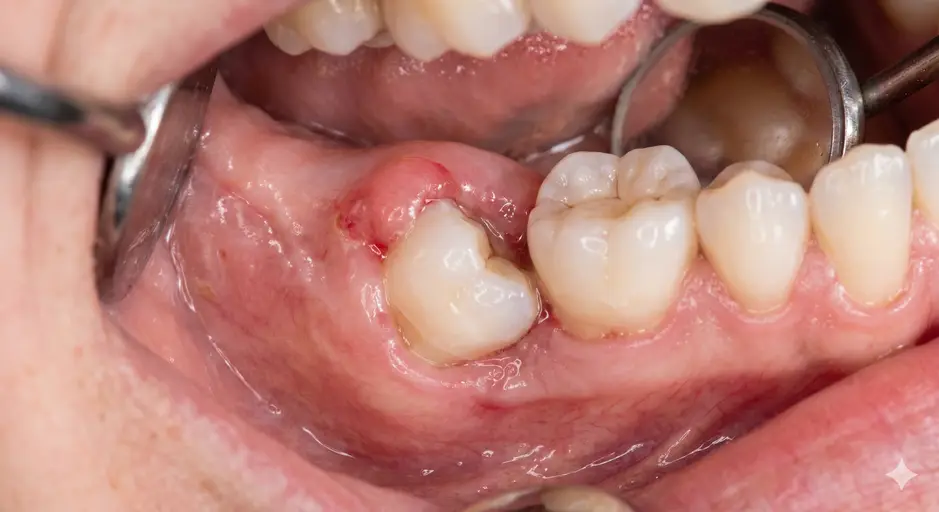
Removal of impacted or partially erupted wisdom teeth in a minor surgical procedure under local anaesthesia or sedation, with stitches removed about one to two weeks later.
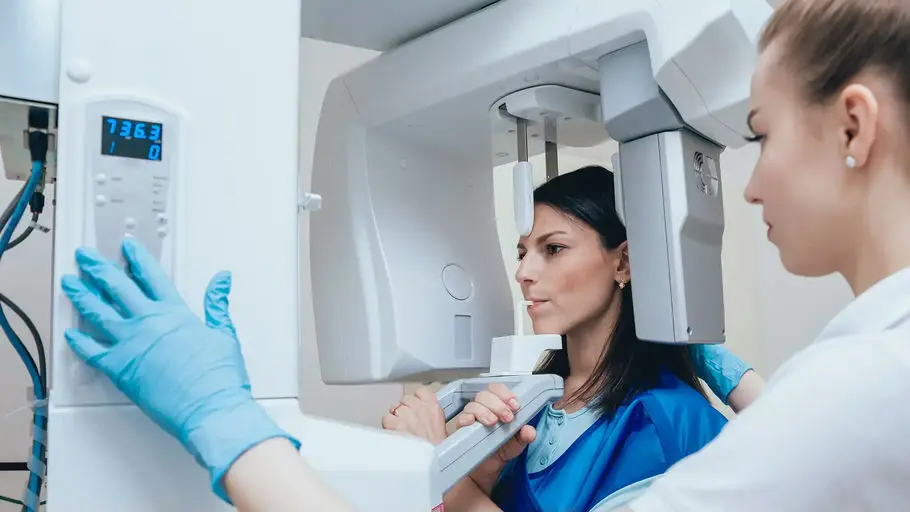
Digital radiographs that show decay between teeth, infection around roots, and bone changes not visible during a visual examination, at low radiation doses.